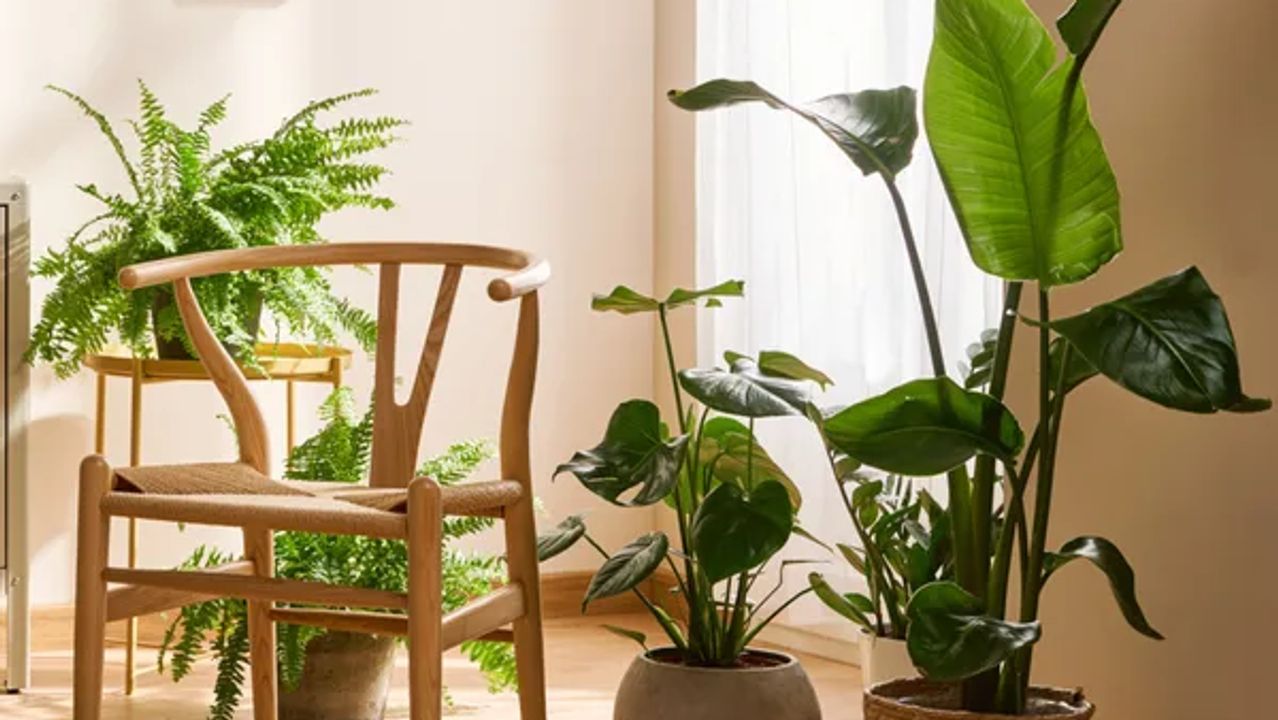
As the temperature drops, rain starts to fall more frequently, and the days get shorter and darker growth tends to slow down for most types of houseplants. All these changes to their environment can have an effect on your indoor plants, so the way you care for them should change too.
Different types of houseplants require different care. Knowing and understanding the kind of environment the plant originated from will help you to recreate those conditions that they thrive in. We always recommend doing some research on the specific needs of your green companions, but here are a few tips to keep your houseplants happy during the colder months.
Reduce Watering
With less hours of day light and colder temperatures, Autumn/Winter tends to be a period of rest for most plants. As they become dormant, plants require much less water. A plant you might water once a week in the summer, could be reduced to a fortnightly watering when the temperatures drop. But there is no need to stick to a strict schedule, just wait until the soil is completely dry 1-2 inches below the surface before watering – a simple system that can be followed all year round.
Maintain Temperatures
Most plants are not fond of extreme conditions, and big temperature drops, or increases can be difficult for your houseplants to handle. To keep their environment as consistent as possible, try to place your plants away from open windows, drafts, heaters, and radiators.
Move into the Light
As the sun begins to rise later and set earlier, your plants will receive less hours of light. If you can, you may want to move your houseplants closer onto windowsills or other sunny spots in the house to help them see as much light as possible during the shorter days.
Pause Feeding
While your plants are taking a well-deserved break, they don’t need the extra nutrients that helps them grow. Ease off from feeding and fertilizing them until the days get a bit warmer.
Keep Leaves Clean
Houseplants quickly collect dust on their foliage, which can block precious sunlight. Use a damp cloth to give the leaves a good clean and help your plants absorb all the light they can.
Check for Pests
A warm, cosy house provides the perfect place for plant pests to reside and breed during the colder months. Check your plants for pests now, looking under and on top of the leaves, and removing any intruders you find. Keep inspecting regularly throughout the winter.
Remove Dead Leaves
A few dropping or dying leaves as the days get colder is nothing to worry about. It is simply your houseplant preparing for the colder and darker days. Any leaves that have turned completely brown or yellow can be trimmed off to signal to the plant to send its nutrients to the green and healthy leaves.
Avoid Repotting
Plants are best re-potted in Spring/Summer, as they like to be moved when they’re actively growing. Removing a dormant plant from its pot into a new one can shock it, so let them rest until the warmer months arrive.
Top Dressing
Top dressing your potted plants with sustainable, recycled materials not only look great, but can help keep the soil and roots warm and retain moisture. We recommend Shell on Earth’s recycled, crushed, washed, and dried whelk shells. Ideal for top dressing indoor plant pots, these are a great sustainably sourced, natural choice, available to shop here.