A plant for sun, scent and dry soil
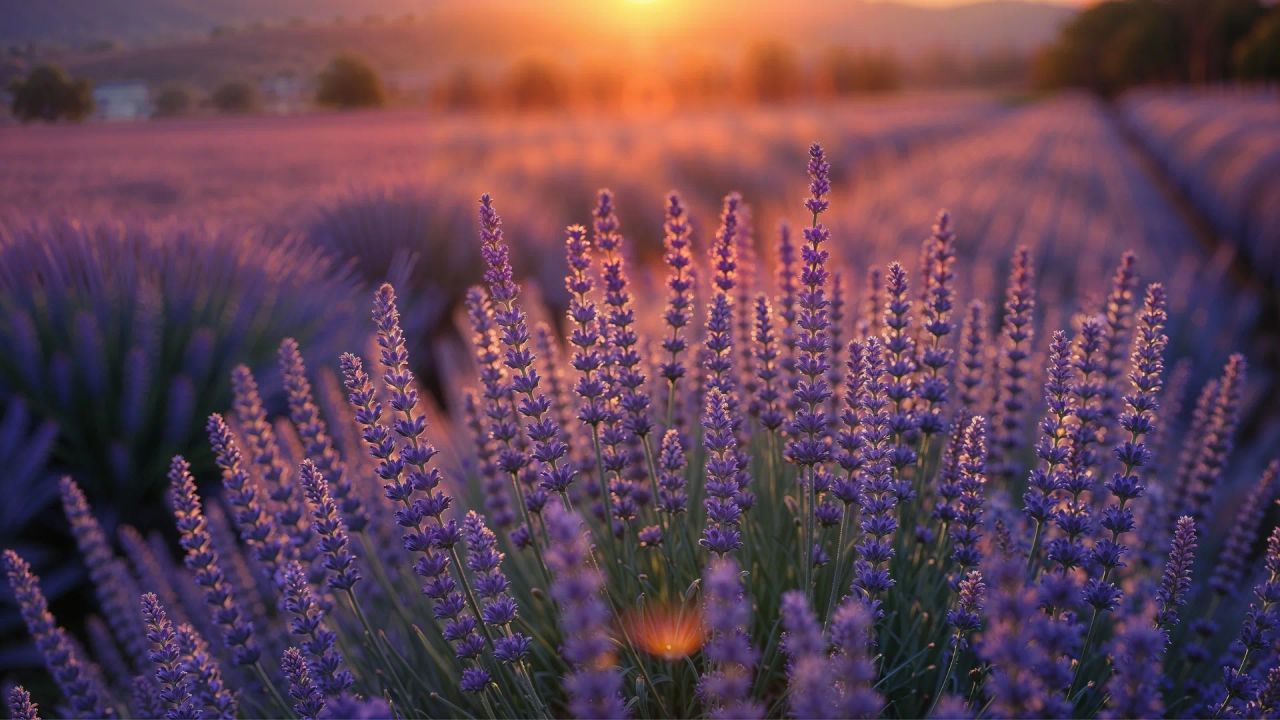
Lavender, or Lavandula angustifolia, is an aromatic evergreen shrub from the Mediterranean region, widely grown as English lavender. It forms compact mounds of narrow grey-green leaves and upright summer flower spikes. It needs full sun and free-draining soil, and dislikes winter wet more than ordinary cold. English lavender is generally hardier than Lavandula stoechas, known as French lavender. Its compact habit suits repeated edging. Read ahead to find out 6 reasons why.
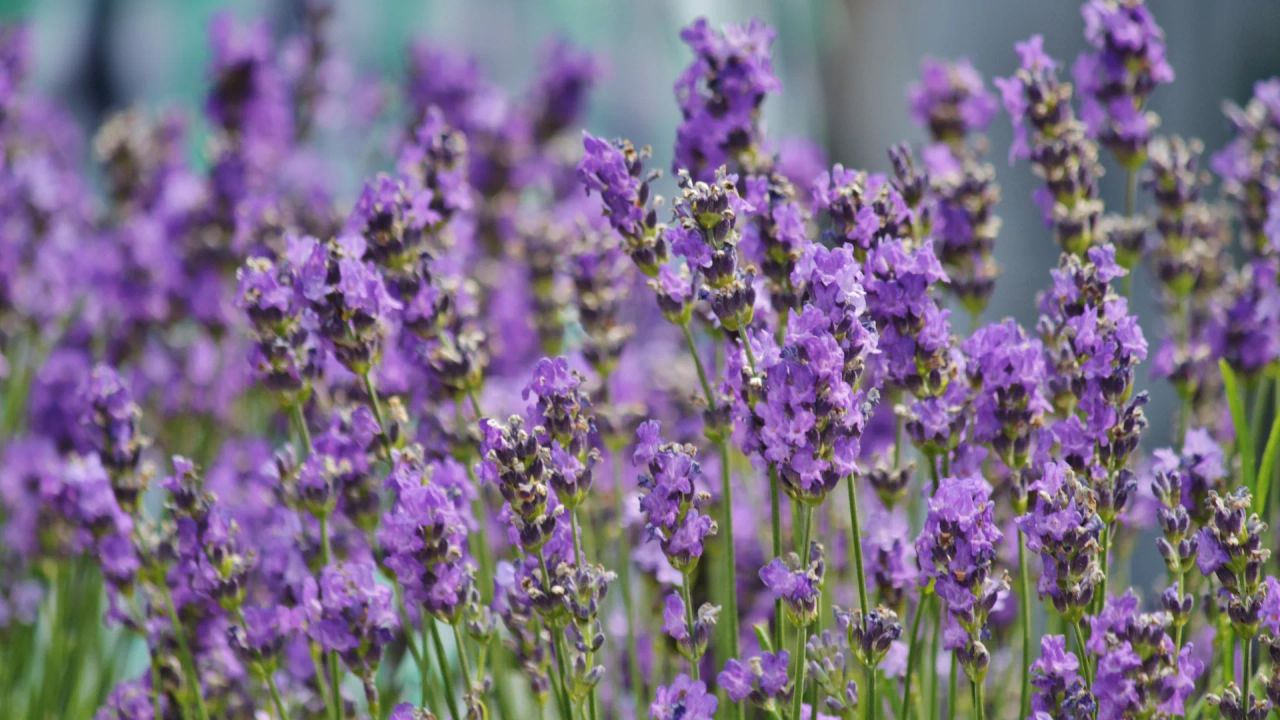
6 Reasons to Grow Lavender
- Reliable forage for pollinators – Lavender flowers provide nectar through summer and are visited by bees, butterflies and other insects. Repeating several plants creates a more useful flowering patch than scattering single specimens.
- Drought-tolerant planting – Once established in open, free-draining soil, lavender copes with dry periods better than many lush border plants. It still needs watering during its first growing season and in containers.
- Fragrance near daily routes – The foliage releases scent when brushed, so lavender works well beside paths, steps and seating. Give it enough width so stems are touched lightly rather than crushed.
- Culinary flowers and leaves – English lavender can be used sparingly in biscuits, syrups and sugar when the plant is correctly identified and grown without unsuitable sprays. Its flavour is strong, so small quantities are enough.
- Good container structure – Compact cultivars suit pots on sunny terraces and balconies. A raised container with large drainage holes can provide better winter conditions than heavy garden clay.
- A clear pruning rhythm – Annual trimming after flowering keeps lavender compact and reduces bare woody stems. Avoid cutting into old leafless wood, which often fails to produce new growth.
How to Grow Lavender in the UK
Choose full sun and soil that drains quickly after rain. On heavy clay, create a broad raised area or use containers rather than dropping gravel into a wet planting hole. Plant from April to May, or in early autumn on light soil, spacing compact English lavenders about 30 to 45cm apart.
Water thoroughly after planting, then let the surface begin to dry before watering again. Do not feed heavily, since rich growth becomes soft and short-lived. In pots, use a free-draining peat-free mix and raise the container on feet through winter. Trim English lavender after flowering in August, taking off spent stems and a small amount of leafy growth while keeping green leaves below every cut.
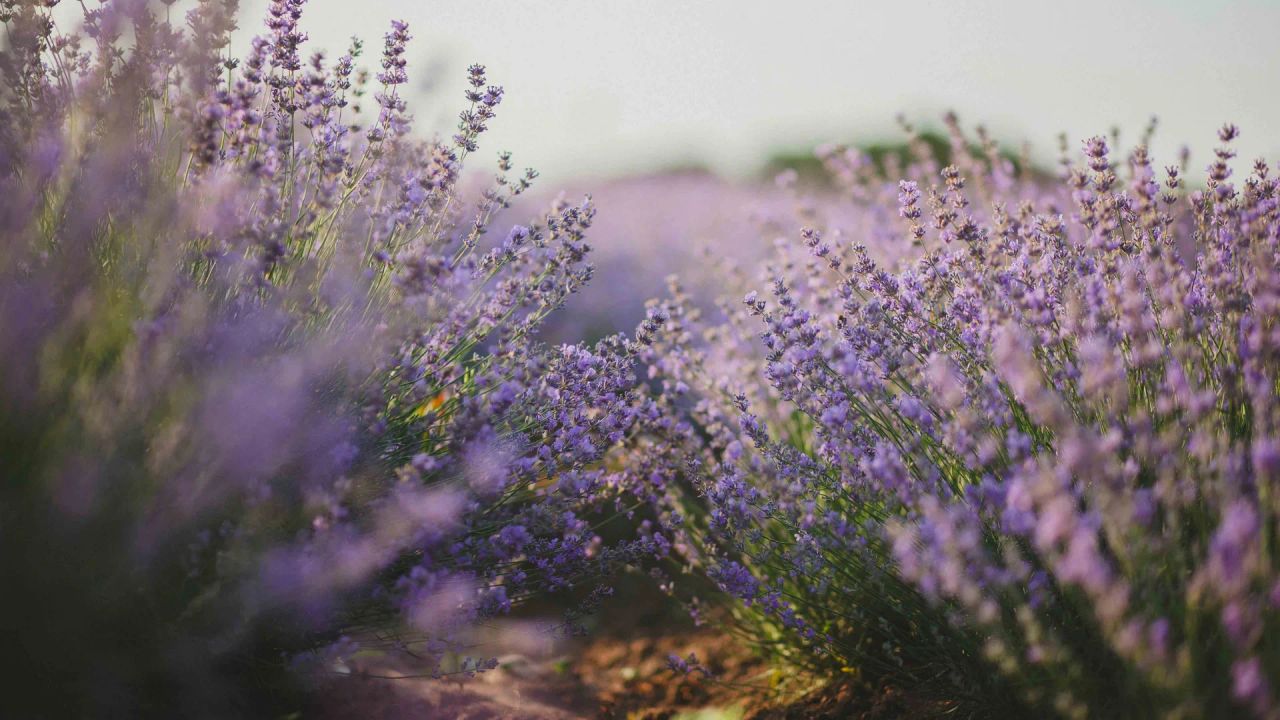
When to Plant Lavender
April and May are the safest months in much of the UK because the soil is warming and the plant has a full season to root before winter. September can suit free-draining, sheltered gardens. Avoid planting into cold wet soil in late autumn. Container planting is possible in summer if watering is reliable, but do not let a newly planted root ball dry out.
Common Questions About Lavender
When should you prune lavender?
Prune English lavender after flowering, usually in August, while enough warmth remains for the cut surface to settle. Remove spent stems and shape the leafy mound. A light spring tidy is possible, but never cut deeply into old bare wood.
Why has my lavender gone woody and leggy?
Lavender becomes woody with age, especially when it is not pruned annually or grows in rich, shaded conditions. Light cannot restore growth from every bare stem. Replace badly open plants and begin regular late-summer trimming with the new planting.
English or French lavender, which is hardier in the UK?
English lavender, Lavandula angustifolia, is generally hardier and more reliable outdoors. French lavender, Lavandula stoechas, is more vulnerable to cold and winter wet and often needs a sheltered position or container protection.
Does lavender really attract bees?
Yes. Lavender flowers are a dependable summer nectar source and are commonly visited by several bee species. Planting a group in full sun produces a stronger and longer display than keeping one shaded plant.
Can you grow lavender in a pot?
Yes. Use a container at least 30cm wide with open drainage holes and a free-draining mix. Stand it in full sun, water when the compost begins to dry and protect less-hardy types from prolonged winter wet.
Plant for the conditions it wants
Lavender performs because its requirements are clear: sun, drainage, restrained feeding and a regular trim. Put it in wet shade and no amount of styling will make it last. In our garden design work, the plant list follows the conditions already present or deliberately created, which gives each choice a sound reason to be there.