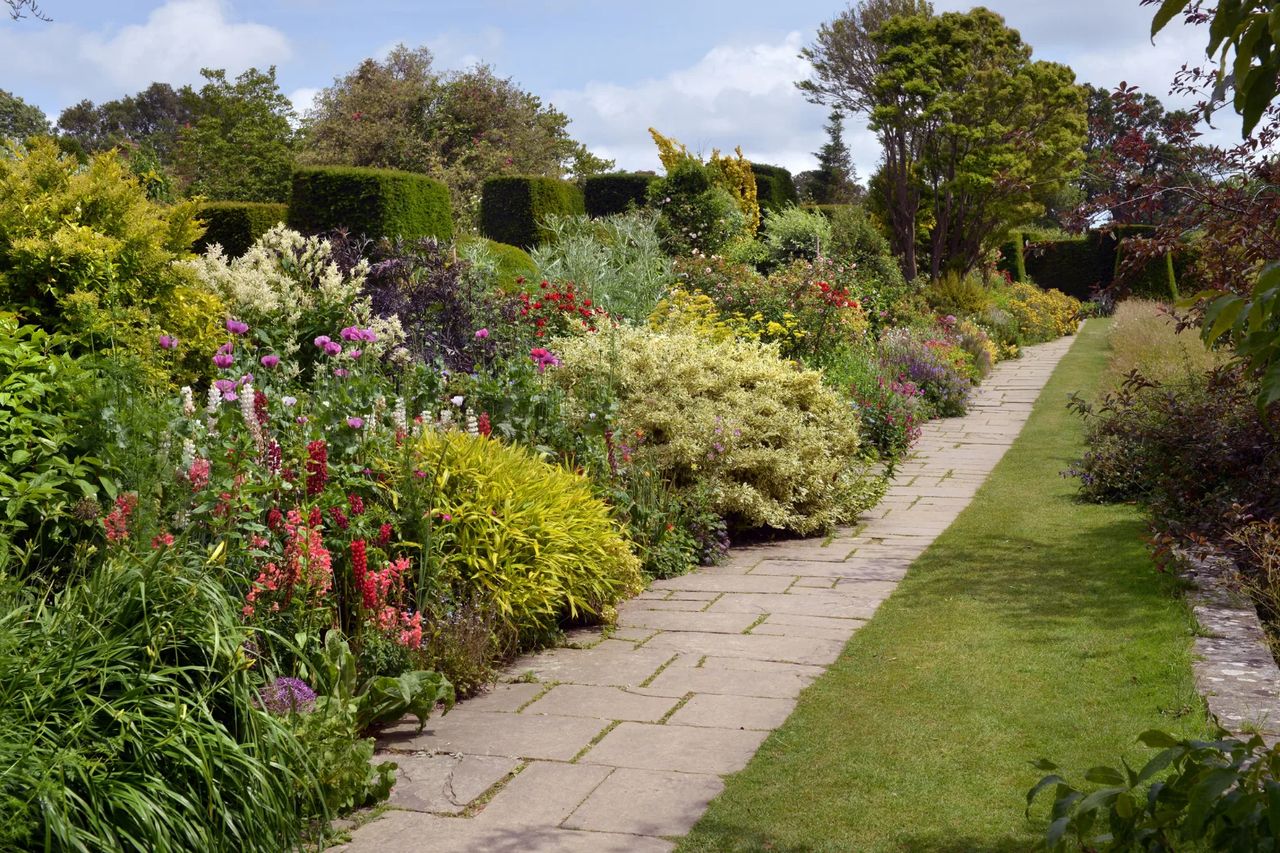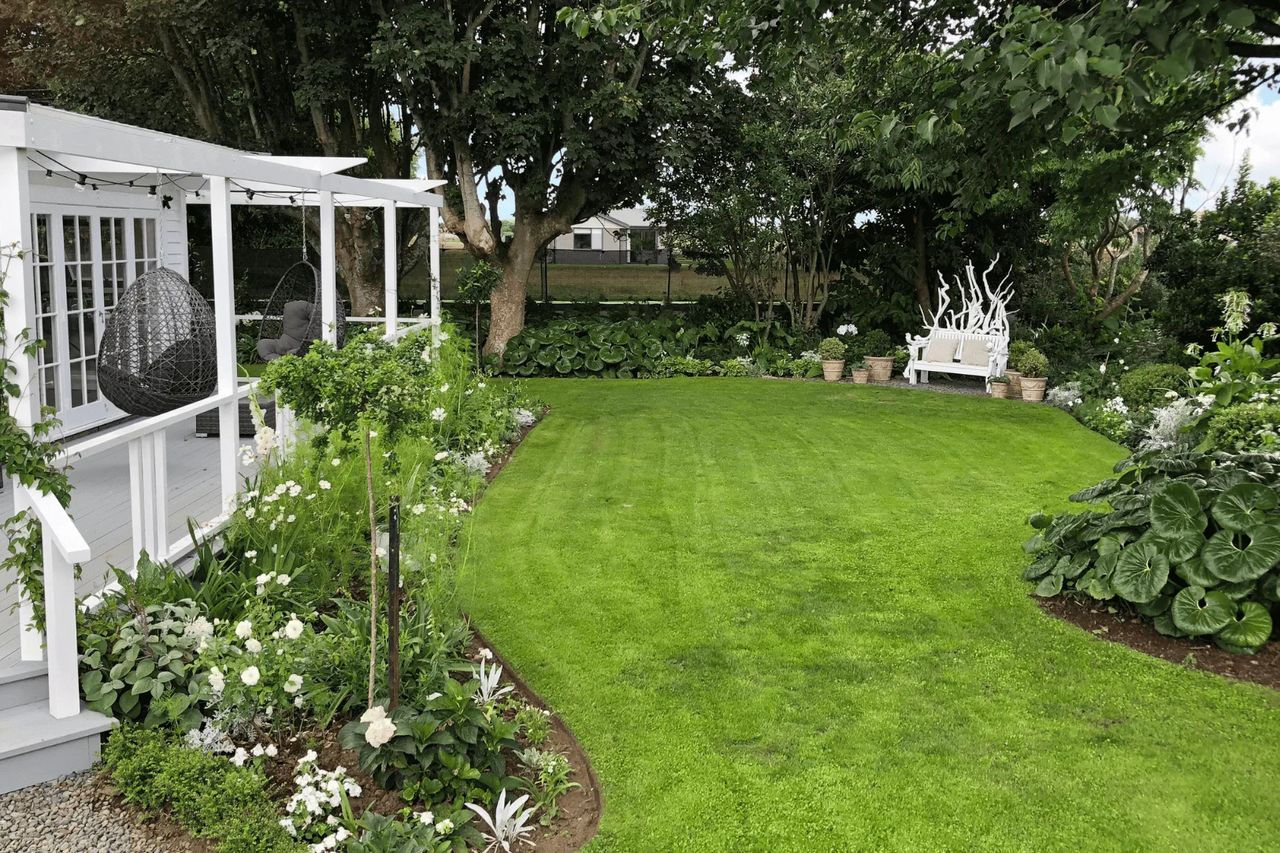
A well-designed garden isn’t just a place for relaxation and beauty it should also be a thriving habitat for wildlife. By incorporating wildlife garden design principles, you can transform your outdoor space into a sanctuary for birds, bees, butterflies, and other creatures. A garden that welcomes wildlife is not only good for the environment but also brings movement, sound, and life to your outdoor haven and does wonders to the world around us.
Plant for Pollinators, support the bees and butterflies:
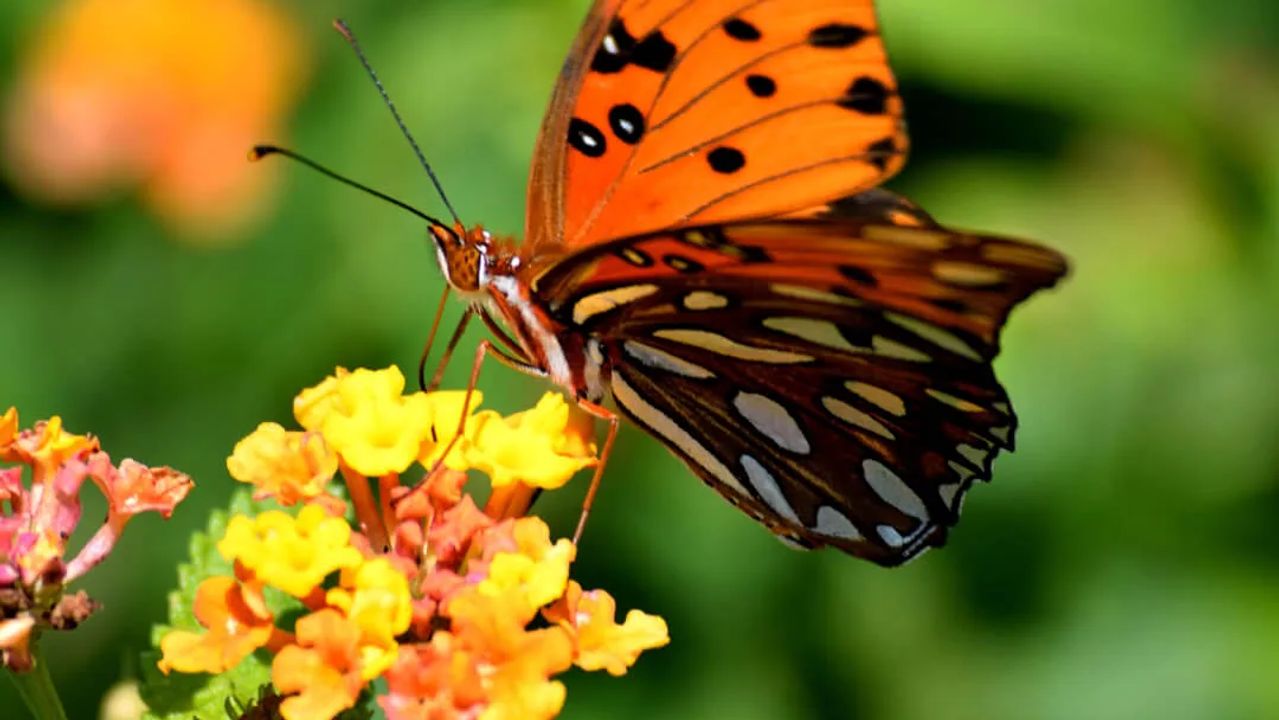
Pollinators like bees and butterflies play a crucial role in maintaining biodiversity and supporting food crops. Incorporating pollinator-friendly plants ensures essential insects have a reliable food source throughout the year.
Bee-Friendly Flowers
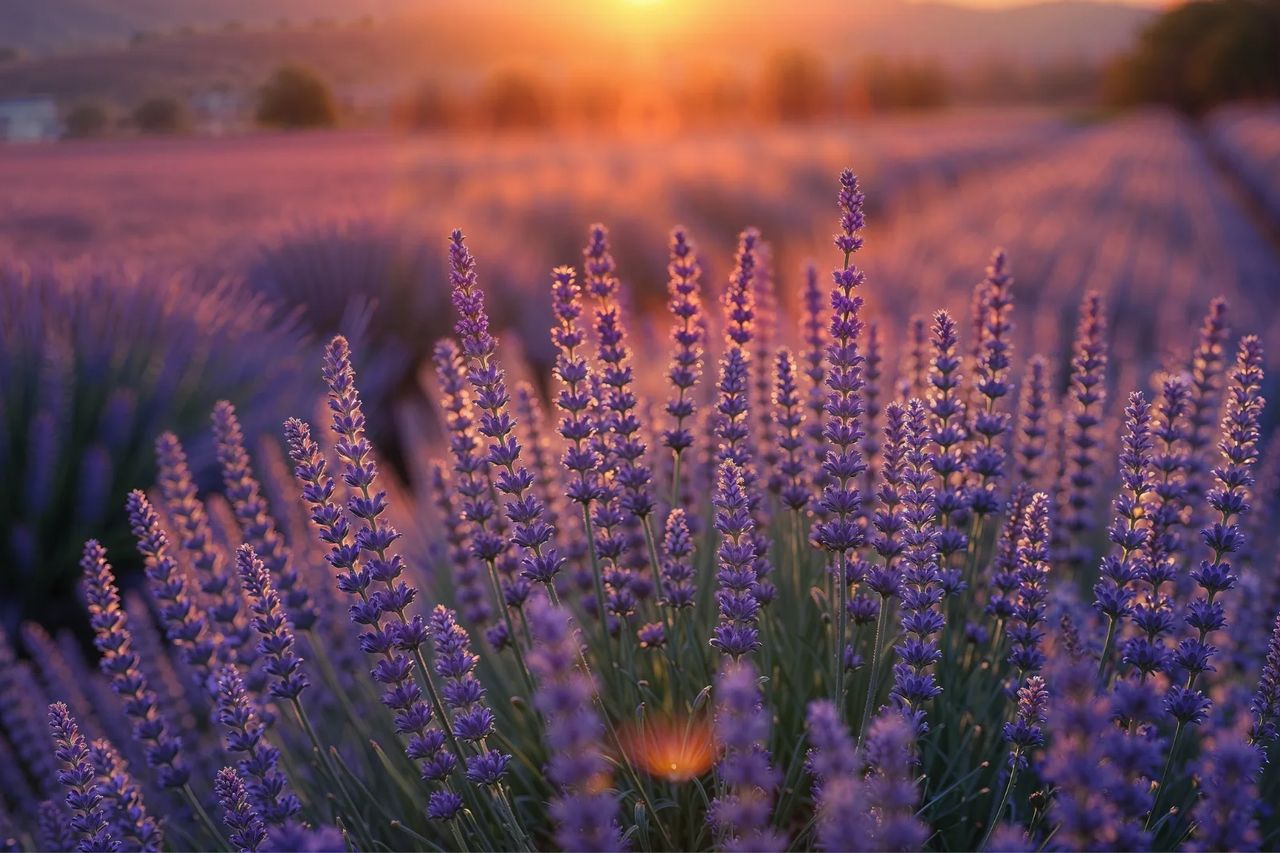
- Choose nectar-rich blooms such as Lavender, Foxgloves, Echinacea, and Sunflowers.
- Plant flowers in clusters to help bees efficiently gather pollen.
- Select a variety of plants that bloom across different seasons to provide year-round sustenance.
Creating a Butterfly Garden
- Include plants like Buddleia, Verbena, and a mix of wildflowers to attract butterflies.
- Provide food sources for caterpillars, such as Milkweed and Nettles.
- Incorporate sheltered spots and sunny areas where butterflies can bask and rest.
Attracting Birds to Your Garden
Birds bring vibrancy to a garden while helping with natural pest control. To attract a variety of bird species we should:
- Provide food sources: Berry-producing shrubs, sunflowers, and seed-bearing plants encourage birds to visit.
- Install bird feeders: Supplement natural food with seeds, suet, and nuts. Making sure all ingredients are safe for birds to eat. There are some highly toxic foods that birds cannot eat including Avocado, chocolate, honey, dehydrated coconut, cooking fats and salt.
- Create nesting areas: Dense hedges including Rowan, Hawthorn and Holy help provide native food and shelter. Birdhouses, and mature trees also offer shelter and nesting sites.
- Provide a water source: A shallow birdbath or a small water feature will encourage birds to stay hydrated and bathe, this is especially important during peak summer and peak winter times.
Creating Habitats and Shelter for Wildlife
To ensure your garden is welcoming to a variety of creatures, focus on creating habitats that support their needs. Simple additions can make a big difference:
- Wildlife piles: Stack logs, leaves, and rocks to create hiding spots for insects, hedgehogs, and amphibians.
- Hedgerows and shrubs: These provide essential nesting and hiding areas for small mammals and birds.
- Wildflower meadows: Allow a section of your lawn to grow naturally to provide shelter and food for insects.
The Role of Native Plant Species
Choosing native plant species is one of the best ways to support local wildlife. Native plants are well-adapted to local climate conditions, making them easy to maintain, they provide natural food sources for local insects, birds, and animals and require less water and fewer chemical treatments than non-native species.
Introducing a Wildlife Pond
A wildlife pond is a wonderful feature that attracts amphibians, birds, and insects while adding beauty to your garden. To create an effective wildlife pond for all creatures to enjoy you should Include shallow areas for safe access and avoid introducing fish, as they can disrupt the ecosystem but instead Plant aquatic vegetation like water lilies, rushes, and irises to provide habitat and oxygenation.
Organic Gardening Practices for a Healthy Ecosystem
Using organic gardening practices ensures that your garden remains a safe and thriving environment for wildlife. There are some practices that need to be followed to ensure the garden is safe for wildlife. Avoid chemical pesticides and herbicides, which can harm pollinators and other beneficial insects, use natural remedies instead such as vegetable oil or soap spray. Using compost and organic matter can help improve soil health naturally helping plants thrive. Encouraging natural pest control rather than chemicals by attracting ladybirds, frogs, and birds that will feed on garden pests.
Bringing It All Together: A Balanced Ecosystem
A wildlife-friendly garden is about creating a balanced ecosystem where plants, animals, and insects coexist harmoniously. By incorporating pollinator-friendly plants, wildlife ponds, bird-friendly features, and organic gardening methods, you can build a garden that not only looks beautiful but also plays a vital role in conserving biodiversity.