As climate change continues to impact weather patterns, many of us are looking for ways to create sustainable outdoor spaces that thrive even during dry spells. A drought-tolerant garden is not only beautiful, but they are notoriously low-maintenance and an environmentally responsible choice that conserves water. Whether you’re redesigning your garden or experiencing irrigation problems in your existing garden, there are plenty of ways to embrace water-wise gardening that will keep it flourishing, even in the hottest months.
What is Xeriscaping?
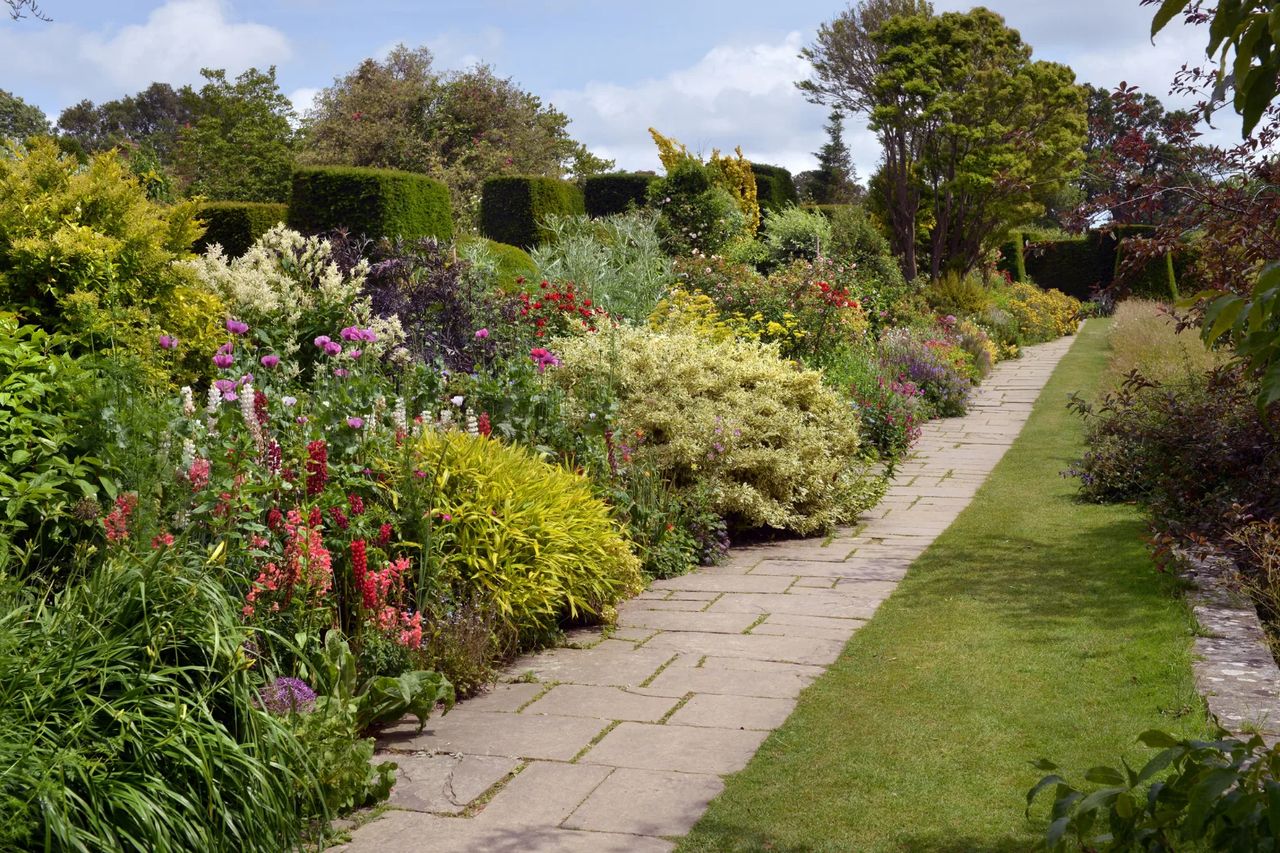
Firstly, what is Xeriscaping you ask? This is the practice of designing and maintaining landscapes that minimise water use. It’s an approach that combines sustainable garden practices with an aesthetic appeal. While many people associate drought-tolerant gardens with dry, barren landscapes, a xeriscaped garden can be lush, vibrant, and full of life. The key lies in selecting the right plants and using effective techniques to reduce water consumption.
Choosing Drought-Resistant Plants
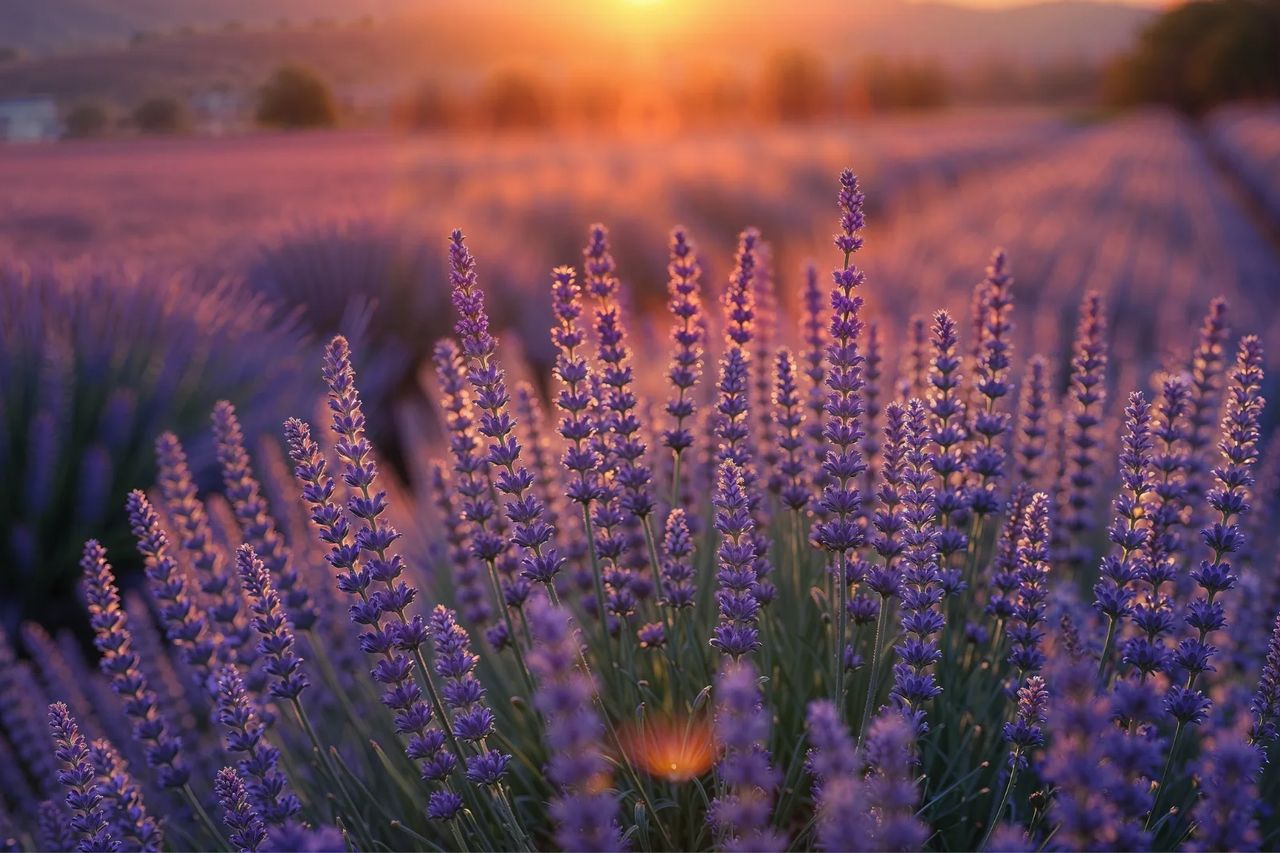
When selecting plants for a drought-tolerant garden, opt for species that are naturally adapted to arid conditions (plants that can survive with less then 25cm of rain per year) such as Agapanthus, Geum or Nepeta. Native drought-tolerant species are especially well-suited to local climates, as they’ve evolved to withstand long periods of heat and dry soil, require less water, thrive in local soil conditions, and are more resistant to pests and diseases. As are heat-tolerant perennials, such as lavender, coneflowers, and agastache, which all offer long-lasting colour and texture without the need for excessive watering.
Low-Maintenance Landscaping
One of the greatest advantages of a drought-tolerant garden is the low-maintenance nature of these plants. Many drought-resistant plants thrive in poor soil and can handle long periods without water, significantly reducing the time and effort required for upkeep. This makes water-wise gardening an ideal choice for busy homeowners who want a beautiful garden without the added burden of frequent maintenance.
The Power of Mulching
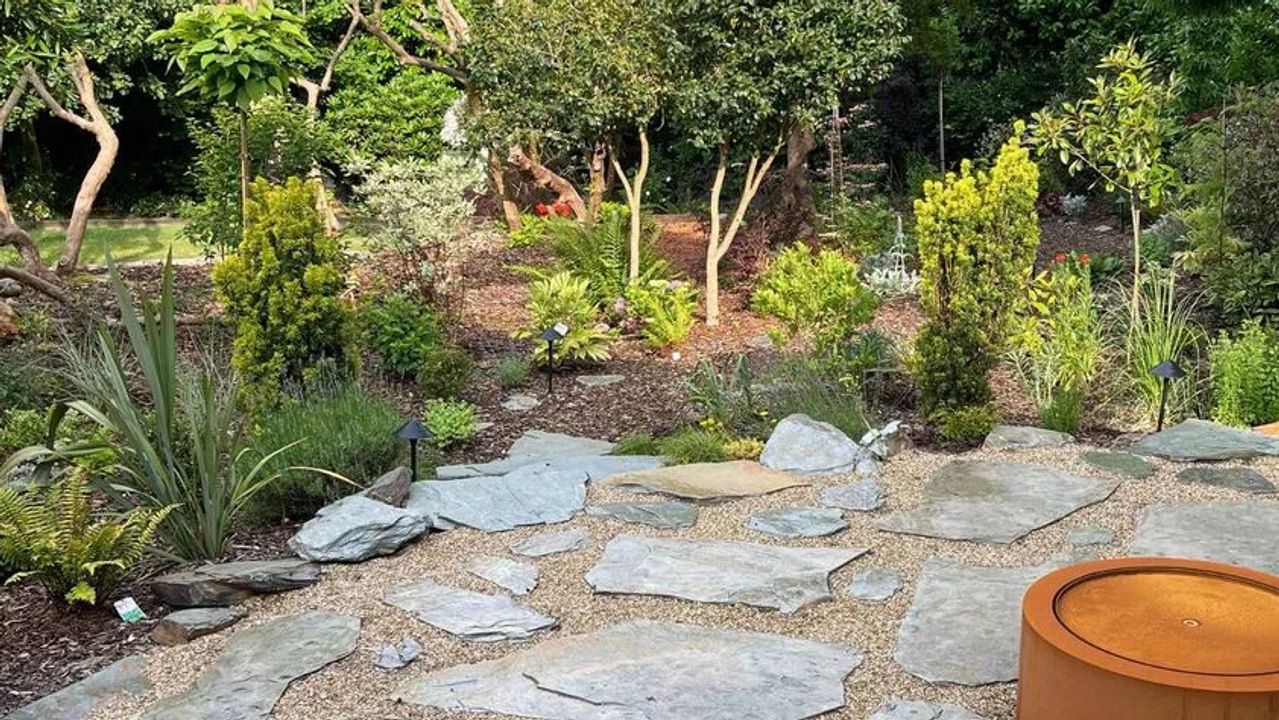
Mulching is another essential technique for conserving water in the garden. A thick layer of mulch helps retain moisture in the soil, reducing the need for frequent watering. It also keeps the soil cool, provides nutrients as it decomposes, and helps suppress weeds. Aim for about 2-3 inches of mulch around your plants for optimal water retention. Types of mulching can include organic such as wood chips, straw, grass clippings, shredded leaves, or compost. But there are also inorganic options that work well for the aesthetic of a drought tolerant design such as pea gravel, a self-binding gravel or pebbles.
Ground Covers for Drought-Tolerant Gardens
A key component of xeriscaping is choosing the right drought and heat resistant plants. A great example of these are varieties of ground covering plants. They help prevent soil erosion, reduce weed growth, and maintain moisture levels in the soil. Many ground covers are naturally drought-tolerant and add variety to your landscape. Some of our favourites include creeping Thyme, Sedum, or Clover.
Our top 5 heat tolerant plants to use
- Cistus × pulverulentus ‘Sunset’ (Rock Rose)- a brightly coloured drought-tolerant evergreen. ‘Sunset’ is one of the best and easiest to find in nurseries and garden centres.
- Yucca filamentosa ‘Color Guard’ – a stemless, striking evergreen with a broad yellow central stripe running the length of each leaf. The result is dramatic which is enhanced by a tower of large white bell-shaped flowers in July and August.
- Salvia ‘Blue Spire’ – has upright stems lined with prettily divided silvery foliage. The numerous plumes of violet-blue flowers open from August onwards is a striking and popular choice for many designers
- Lavandula angustifolia Miss Muffet (Lavender) – is reliable, neat and compact, with narrow greyish-green leaves. The impressively prolific spikes of violet-blue flowers sit low over the foliage in summer. This English lavender makes fine low edging that has a powerful aroma.
- Lupinus arboreus (Tree Lupin)- originally from the Californian sand dunes – so it can certainly cope with dry soil. This broad, mound-forming evergreen features neatly lobed leaves and spikes of fragrant, two-tone yellow flowers.
Designing for Water Conservation
Incorporating water-wise techniques in a garden design can make a world of difference. Grouping plants with similar water needs together allows for more efficient watering techniques and reduces waste. You can also incorporate rain barrels or drip irrigation systems to target water directly to the roots where it’s needed most, further conserving precious water resources.
In addition to selecting the right plants, it’s important to design with the local climate in mind. Considering factors like sunlight, wind exposure, and soil type when positioning plants can be the difference to a plant surviving and to it not. Heat-tolerant perennials, for example, should be positioned in areas where they’ll get enough sun, while shade-loving drought-tolerant species can be placed in areas that are protected from harsh afternoon rays.
Understanding plant sunlight requirements
- Full sun is when the plant requires at least 6 hours of direct sunlight a day – this refers to bright, open sunny spots with no shade. If a plant is labelled as both drought tolerant and full sun, it is highly likely they can survive even the most intense summer sun.
- Partial sun is between 3 and 6 hours of direct sunlight a day – this means these plants can generally handle more sunlight and require a minimum amount of direct sunlight to flourish. However, insufficient sun exposure may result in poor blooming for these plants.
- Partial shade is between 3 and 6 hours of sun daily (but these plants need protection from the intense mid-day sun) – these plants will need protection and shade during the hottest periods in the day
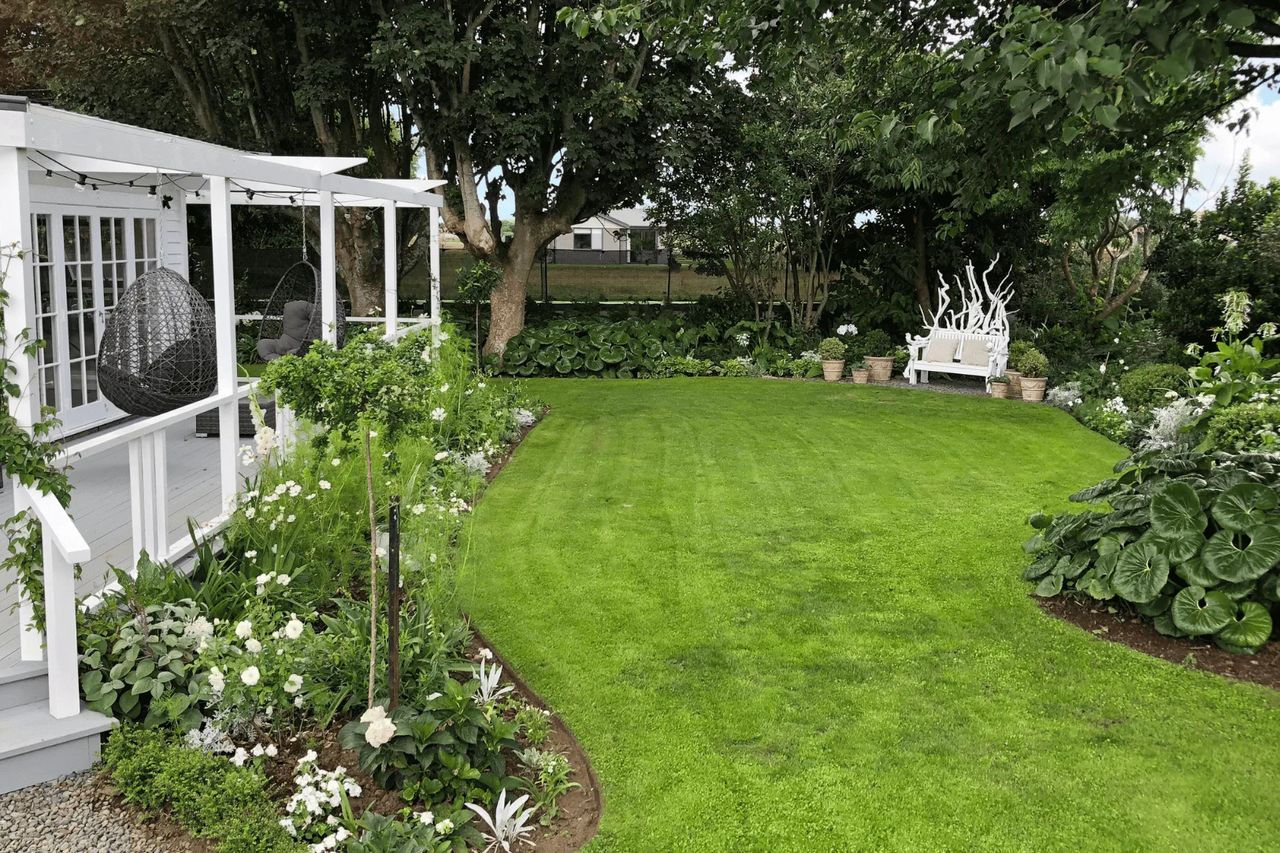
- Full shade is less than 3 hours of direct sun is required per day – also known as ‘shade loving plants’ may require various levels of light, ranging from the gentle indirect light to the deeper shade under evergreen trees. True shade plants, like ferns, will struggle with long periods of direct sunlight. For such plants, filtered light, as seen beneath a tree canopy, provides an ideal environment known as dappled shade.
Designing a drought-tolerant garden is an investment in both the environment and the future of our outdoor spaces. By incorporating drought-resistant plants, xeriscaping practices, and enhancing our mulching techniques, we can easily create a stunning garden that conserves water while providing year-round beauty. Whether you’re embracing succulents, native species, or heat-tolerant perennials, there are endless ways to make your garden both sustainable and beautiful.