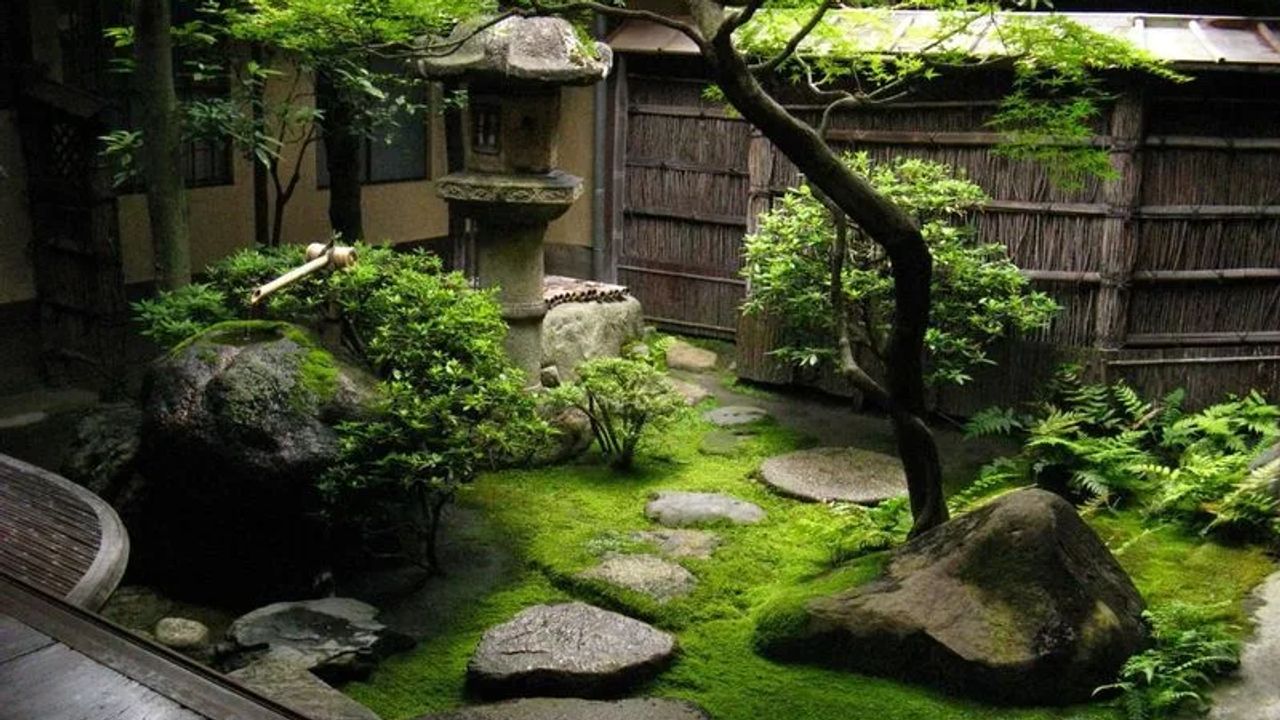
In an age defined by relentless alerts, notifications, and the persistent rush of modern life, the ancient art of Zen gardening invites us to explore the profound benefits of stillness and contemplation. Originating in Japan, these tranquil spaces offer much more than aesthetic appeal; they provide a retreat for the mind and body, helping us reconnect with nature and ourselves amid an increasingly digital existence. As the popularity of Japanese-style garden design rises globally, urban dwellers are finding innovative ways to create their own tranquil sanctuaries, allowing for much-needed moments of peace and reflection.
The History of Japanese Garden Design
Japanese gardens boast a rich history that reflects the cultural and spiritual evolution of Japan over the centuries. Elements of this garden style can be traced back as far as the Asuka period (552-645 AD), demonstrating a blend of Chinese influence and homegrown aesthetics. The Heian period (794-1185 AD) marked a significant emerging interest in nature, leading to gardens designed for beauty and poetic reflection.
Between the Kamakura (1185-1333 AD) and Muromachi (1336-1573 AD) periods, the philosophy of Zen Buddhism began to infiltrate garden design, introducing the minimalistic approach that defines Zen gardens today. During the 15th century, Zen monks sought to create spaces that would facilitate meditation and contemplation, often using rocks, sand, and carefully selected plants to emulate natural landscapes. The famous Ryoan-ji, a 15th-century rock garden in Kyoto, remains a quintessential example, illustrating how simple arrangements can stimulate profound emotional and intellectual responses.
As time progressed, the Edo period (1603-1868) saw the introduction of various garden styles, including tea gardens and landscape gardens that emphasized natural scenery. Each era contributed layers of philosophy, artistry, and purpose to the evolving practice of Japanese garden design.
The Benefits of Zen and Stillness
In a world inundated with distractions, the principles of Zen gardens teach us the value of simplicity, balance, and mindfulness. Studies have shown that spending time in nature—whether in a Zen garden or a nearby park—has significant health benefits, including reduced stress, enhanced mood, and improved cognitive function.
Research published in the journal Health & Place demonstrates that interaction with green spaces can lower cortisol levels, consequently aiding in stress reduction and promoting overall well-being. The calming aesthetics found in Zen gardens compel us to pause, breathe, and observe—the very antidote needed in our fast-paced lives.
Incorporating mindfulness practices cultivated in Japanese gardens, such as meditation or focused breathing, can elevate our daily experiences. By intentionally setting aside time to be still and reflective, we cultivate a deeper connection to our surroundings, fostering clarity and mental resilience.
The Rise of Japanese Design in Urban Spaces
As the popularity of Japanese-style gardens flourishes worldwide, urban dwellers are increasingly seeking to convert their small outdoor spaces, balconies, or even indoor corners into soothing retreats. This emerging trend reflects the growing desire for tranquil environments that provide solace amid hectic urban living.
Many contemporary interpretations of Japanese design blur traditional boundaries, infusing spaces with functionality while preserving the spirit of tranquility. Homeowners are incorporating essential elements such as:
1. Minimalist Zen Space: Focused on simplicity and clean lines, these spaces often use gravel, rocks, and minimal plant life to create serene environments ideal for meditation and relaxation.
2. Tea Gardens: Inspired by Japanese tea rituals, these gardens encapsulate simplicity with pathways leading to a tea house or designated area for reflection, inviting users to slow down and appreciate the present moment.
3. Vertical Gardens: In densely populated cities, vertical gardens adorned with climbing plants draw on Japanese aesthetics and philosophy, softening urban structures and enhancing the sensory experience.
4. Water Features: Incorporating small ponds or water basins into urban backyards or rooftops introduces gentle sounds and movement, creating a peaceful atmosphere that embodies the essence of nature.
5. Bonsai and Container Gardens: For those with limited space, bonsai and carefully selected container plants allow urban dwellers to cultivate their own small ecosystems, evoking the serene beauty of Zen gardens in compact forms.
These designs not only enhance the visual appeal of urban spaces but also encourage a sanctuary for unwinding, allowing for mindful moments of appreciation in our daily lives.
The Japanese art of Zen gardening offers timeless wisdom that transcends its historical roots, serving as a gentle reminder of the importance of stillness and the beauty of simplicity. Amid the noise of technology-driven societies, the shift toward creating tranquil spaces reflects a burgeoning desire to connect with nature and cultivate mental well-being. As urban dwellers transform their environments into serene retreats, they delve into the very essence of what it means to be present.
By embracing the principles of Zen gardens, we nurture our minds and bodies in a chaotic age, fostering not only a profound appreciation for nature but also a sanctuary within ourselves. In a world that often urges us to rush forward, finding solace in the stillness may be the most transformative journey we can embark upon.
Call Us About Your Japanese Garden Project