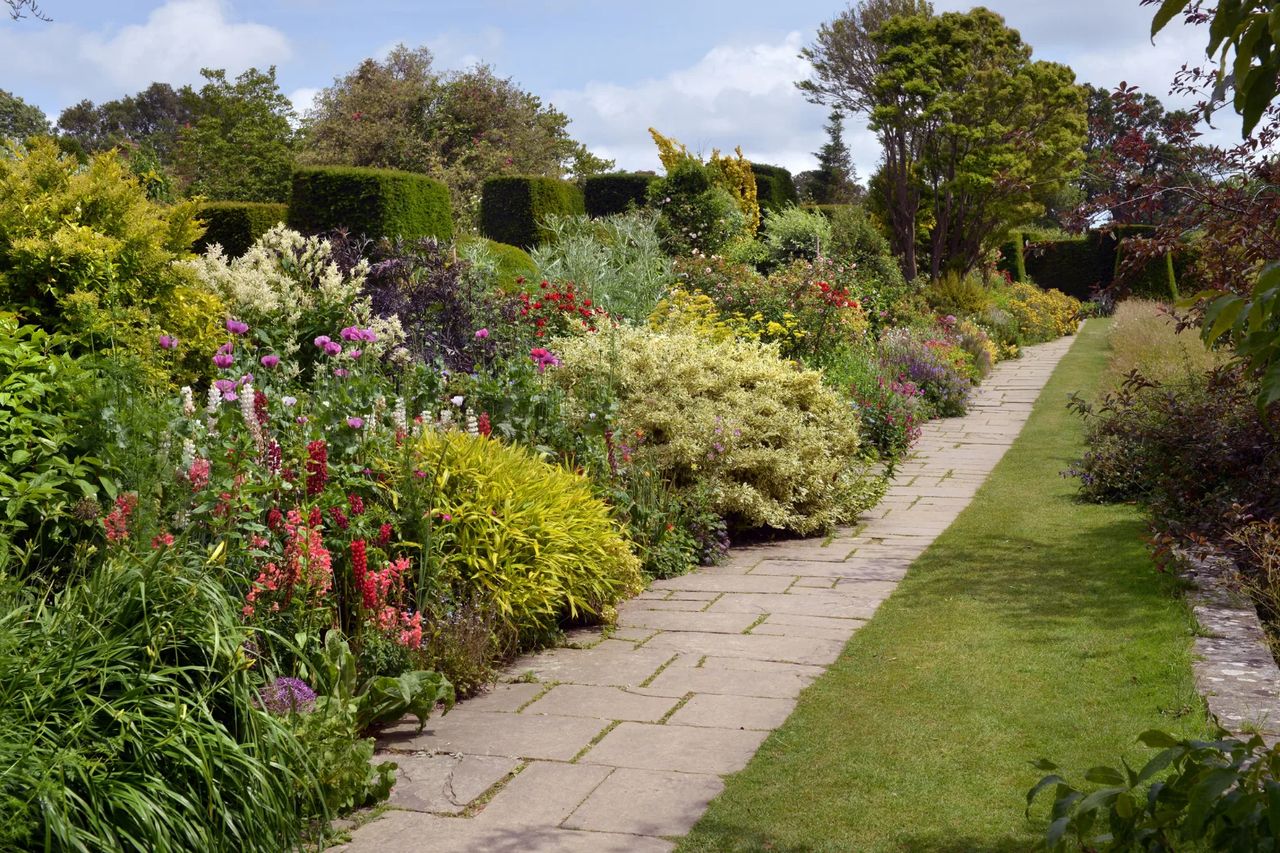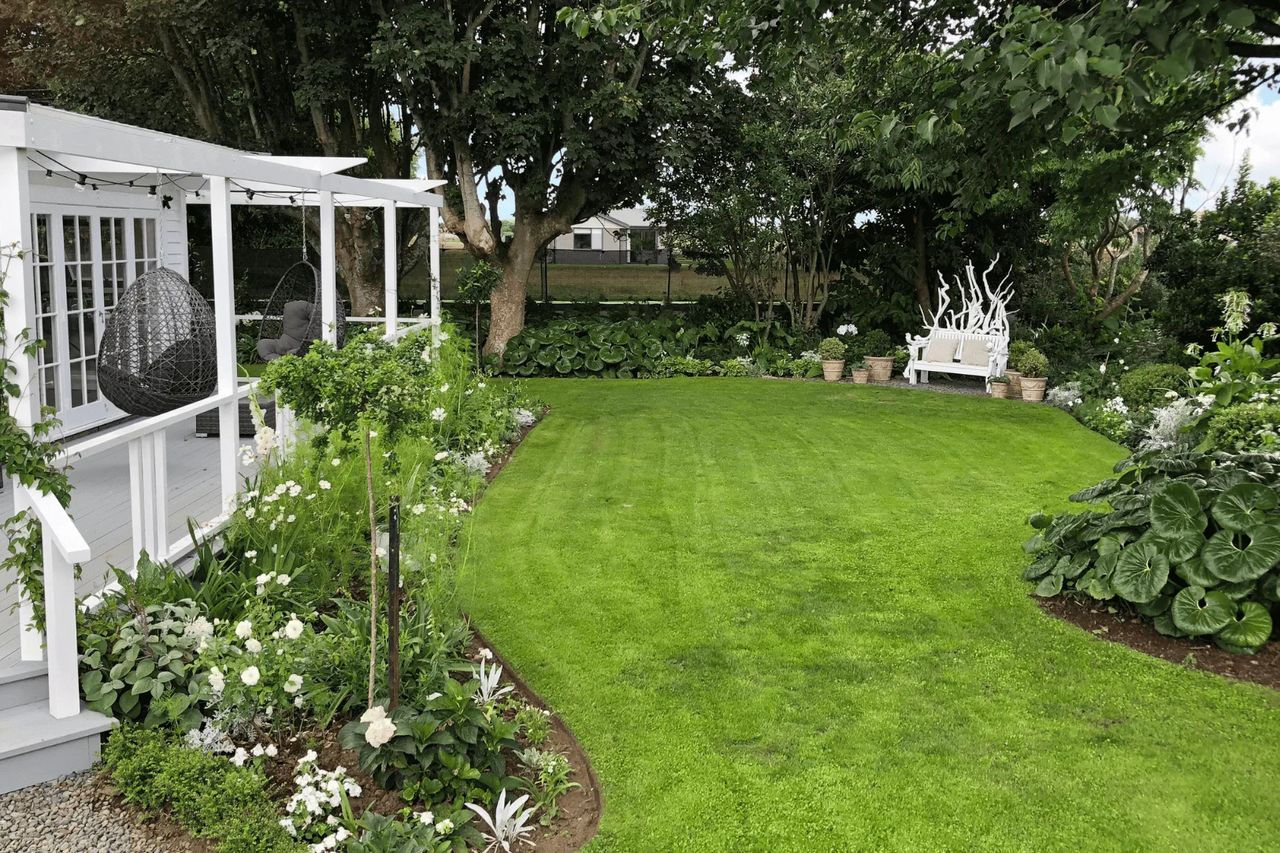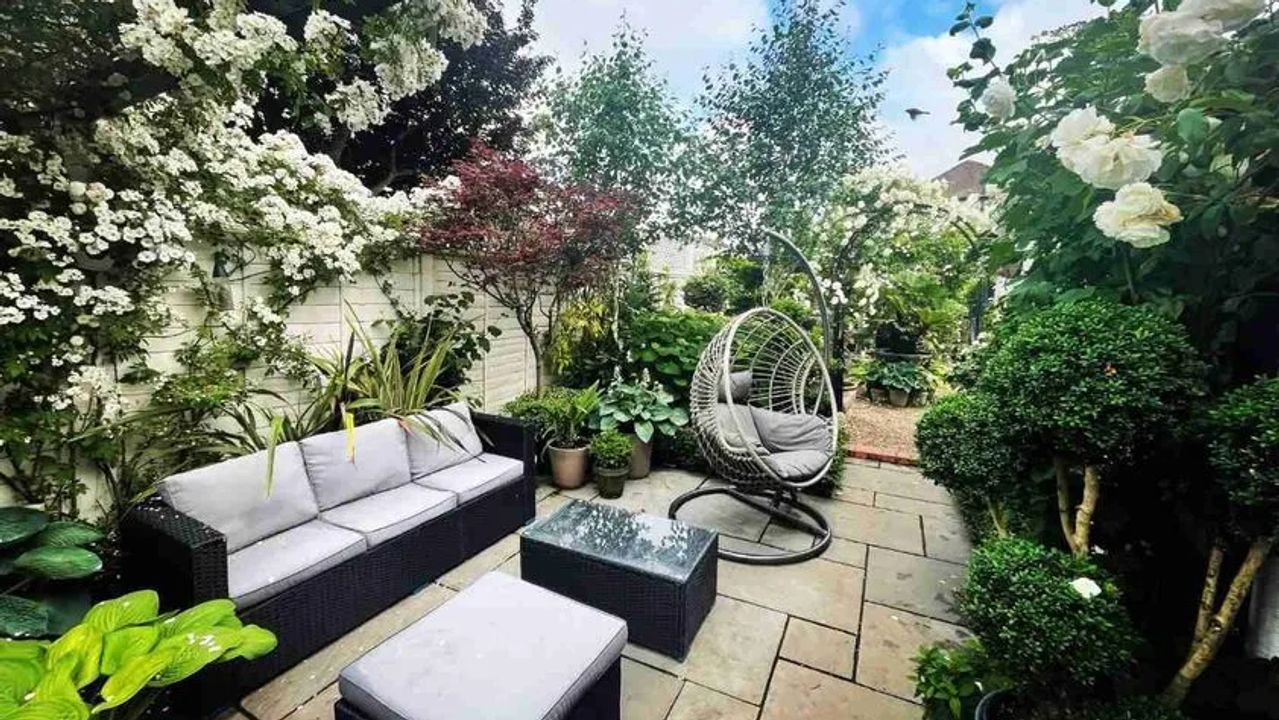
Whether you have the largest countryside garden or the smallest city courtyard, there is the perfect garden design for every size and clever techniques to help maximise the space you have! Small gardens are the perfect opportunity to get creative, whether it be a small backyard design, balcony ideas, or just a small city patio, there are countless ways to transform even the smallest space into a beautiful garden.
Living walls and vertical planting
One of the most effective ways to maximise the space in a small garden is through vertical gardening. Instead of taking up valuable ground space, why not grow plants upwards? You can use wall-mounted shelves, trellises, or climbing plants to create a green vertical landscape. Vertical gardens are not only ideal for growing everything from herbs and flowers to fruits and vegetables but also make beautiful backdrops and great focal points for seating areas in any sized garden.
Flexibility and mobility of container gardens
It’s time to consider clever planting techniques. Container gardening is another fantastic solution for small spaces. Perhaps you have a small city courtyard that only allows you to have a variety of pots and planters. This is perfect for those who want to experiment with different plants or need to rearrange their space to get the most out of it. From flowers to vegetables and even dwarf fruit trees, container gardening can transform your small garden into a lush, versatile space, plus they can easily be moved around to catch the sun, or why not get creative with the space by moving them to create zones or ‘rooms’
Be smart with the design and layout
We know in a small garden, every inch counts. Space-saving ideas like raised beds, narrow garden paths and well-placed planters can help you make the most of limited space. Create a sense of order by using symmetrical layouts and designing areas or ‘rooms’ for different functions, such as a dining corner, a small lawn, and a flower garden. Your garden will go from one small open space with one function to a garden that feels larger than it looks, simply by clever zoning. Using the air space is a great technique to help utilise the ground space, it will create the illusion of a canopy in the garden, hugging you into a wonderful green cocoon, but will free up the floor space. Tall plants or shrubs can frame the space, while ground-cover plants and low-growing flowers fill in the gaps helping to create depth and make it feel larger than it is.
How can you create illusions of space?
Start by thinking what you need from your garden and how you can plan and design it to fit those elements in. When you have a small garden, it’s important to create the illusion of more space or you are left with one area and one function. Creating illusions of space through clever design tricks can make your garden feel open, airy, and multi-functional even if it’s compact. Use mirrors to reflect light and greenery, or choose light colours for your furniture, fences, and planters to make the space feel bigger. Horizontal stripes or linear patterns in paving can visually extend the space, leading you on a journey through the garden and the strategic use of plants with varying heights can help draw the eye upward and outward. Additionally, keep your design uncluttered and avoid overstuffing the area with too many elements.
Bringing Nature to City Living spaces
Urban environments often come with limited space. Balconies, Courtyards or Rooftop gardens all have their limitations but that doesn’t mean you can’t have a beautiful space. There are plenty of ways to integrate greenery into small city space. Consider using modular planters that can be easily arranged in different configurations or window boxes for flowers, herbs, or small vegetables. For those living in apartments living walls area beautiful option to bring greenery to an area that doesn’t take up any valuable floor space. Urban gardening doesn’t need to be complicated; it’s all about choosing the right plants and making the most of available surfaces.
No matter how small your garden is, there are endless ways to make it feel bigger, brighter, and more functional. From vertical gardening and container gardening to compact furniture these solutions can help you maximise your outdoor space. By creating a thoughtful design with the right plants in the right place, even the smallest garden can become a beautiful and enjoyable retreat. If you’re ready to get started with your own small garden design, or simply need help with a restoration, get in touch with our team of experts who can help you turn your space into a green sanctuary.