Whether you’re trying to help the bees, support the deliciated eco-systems of nature, or are simply interested in discovering what kind of wildlife exists around you, this blog has you covered! Here are 5 easy steps to attracting more wildlife to your garden.
Add Water
One of the simplest ways to attract wildlife to your garden is by adding a water source, such as a built in or container pond. Birds, butterflies, and different types of amphibians will be attracted to the water, regardless of size. If possible, make sure have at least one side is slopingto allow creatures an easy way in and out.
Provide Food
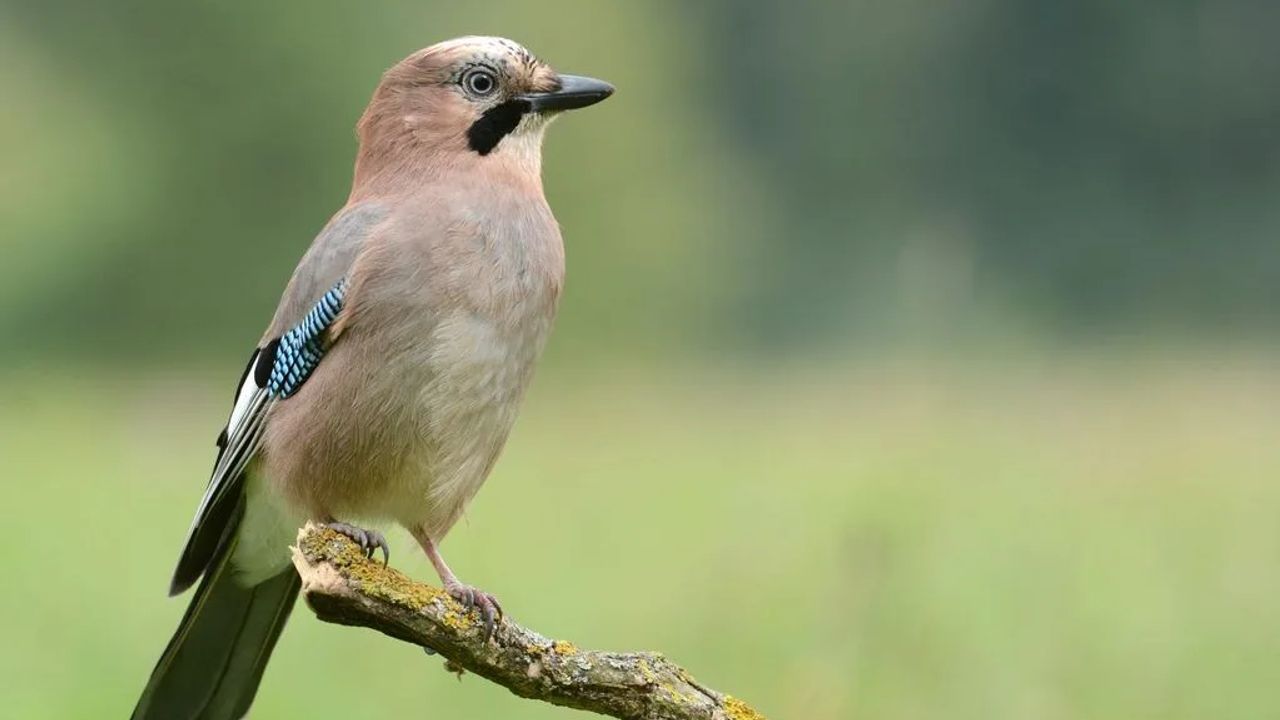
Birds can be very easy to attract to your garden with feeding. Providing birds with food over the winter can be the difference between life and death for many, especially when winters are particularly cold. Ideally, offer a mix of food including peanuts, seeds, kitchen scraps and fat balls. Don’t forgot that a supply of clean, unfrozen water is just as vital too!
Choose the Right Flowers
Flowers provide pollen and nectar for bees, butterflies and other insects. Planting flowers in your garden that produce high levels of pollen will attract more of these vital insects to your outside space. For best results, grow a range of plants for year-round flowering and never use pesticides on plants in flower. Check out the RHS List of Plants for Pollinators to discover the best plants for attracting wildlife at each time of year.
Leave a Pile of Dead Leaves and Wood
Piles of garden debris such as wood, twigs and leaves can provide a habitat to a range of specialist wildlife that is growing increasingly uncommon. Leaving your fallen autumn leaves or creating a log pile can create a home for beetles and their grubs, many species of fungi, and even provides cover and hibernation areas for larger creatures.
Grow a Mix of Trees and Shrubs
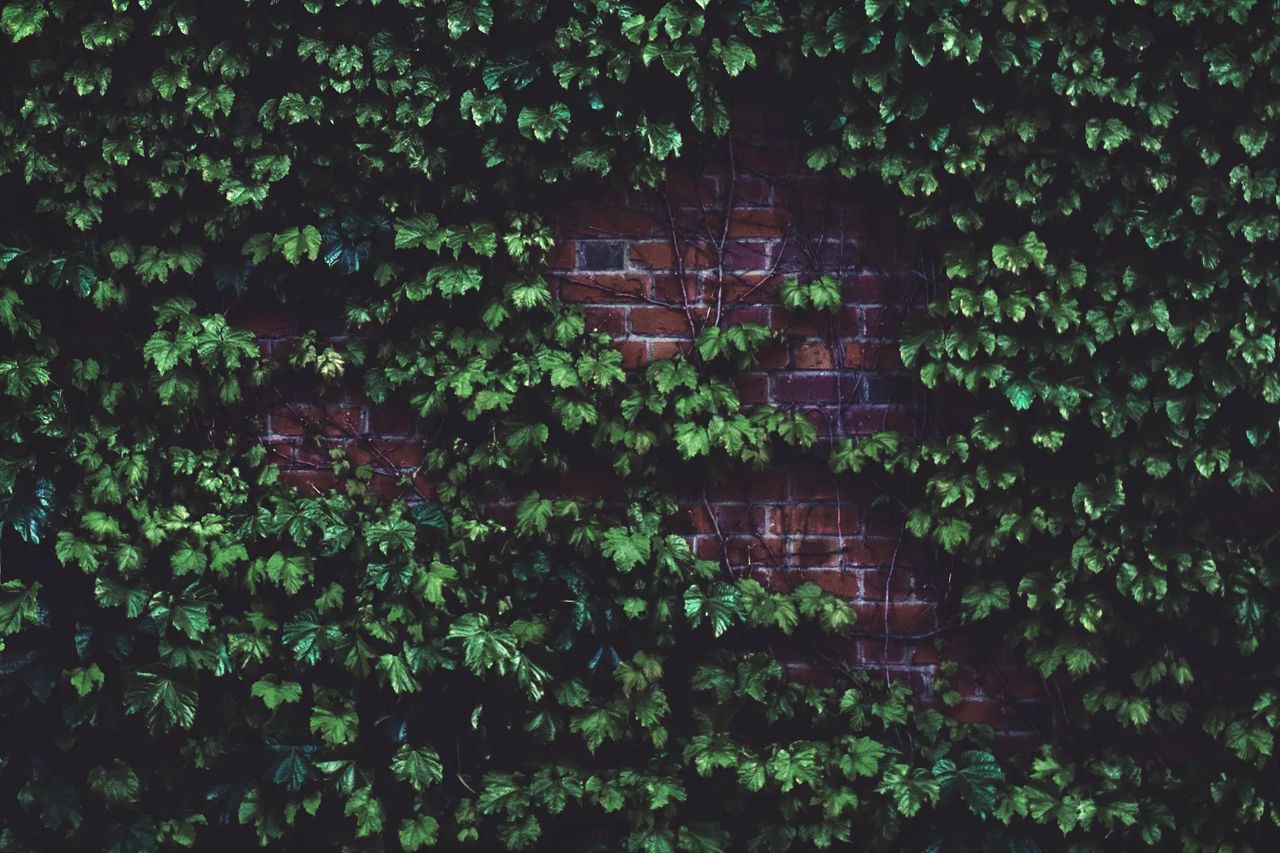
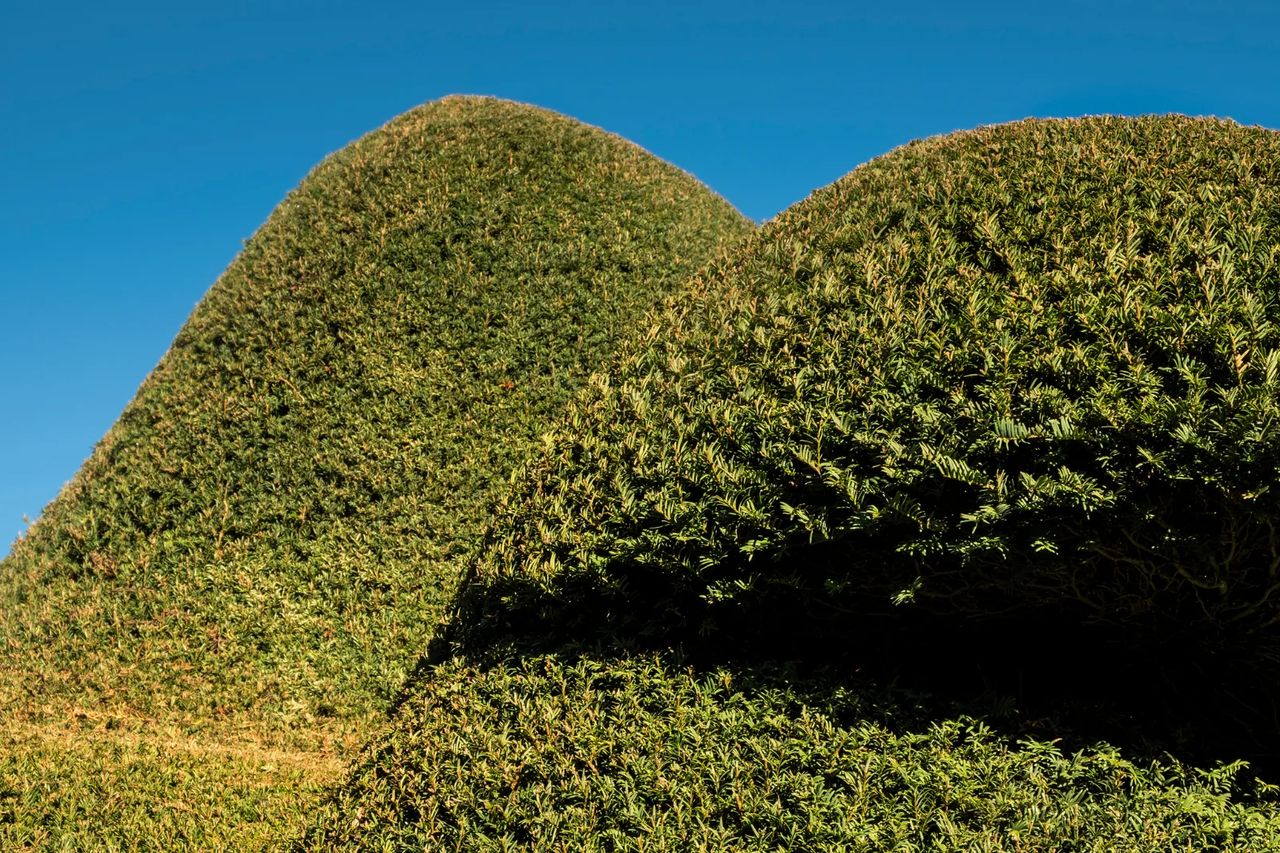
Growing a range of trees, shrubs and climbers, help to provide food and shelter for a wide range of creatures. Studies have even shown that larger plants, particularly trees, support more wildlife. As well as providing food in the form of flowers, fruits and seeds, they provide cover and nesting sites for insects and birds.