A crop that starts before winter
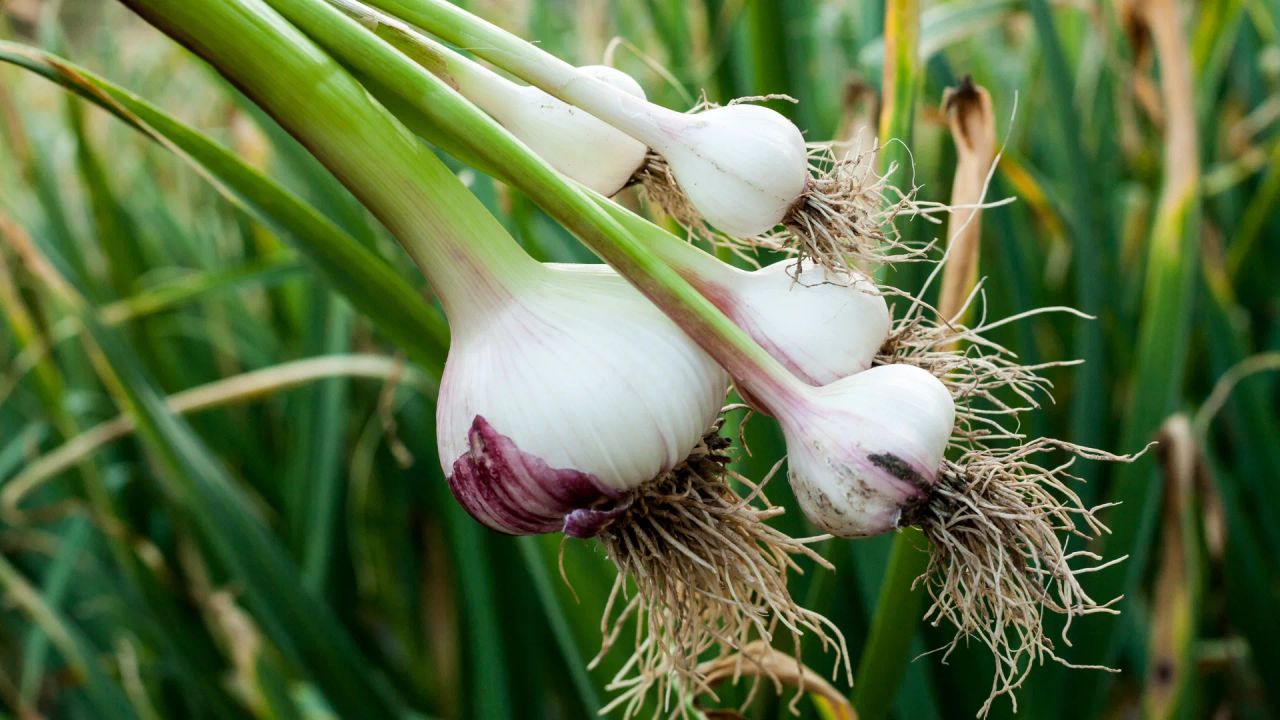
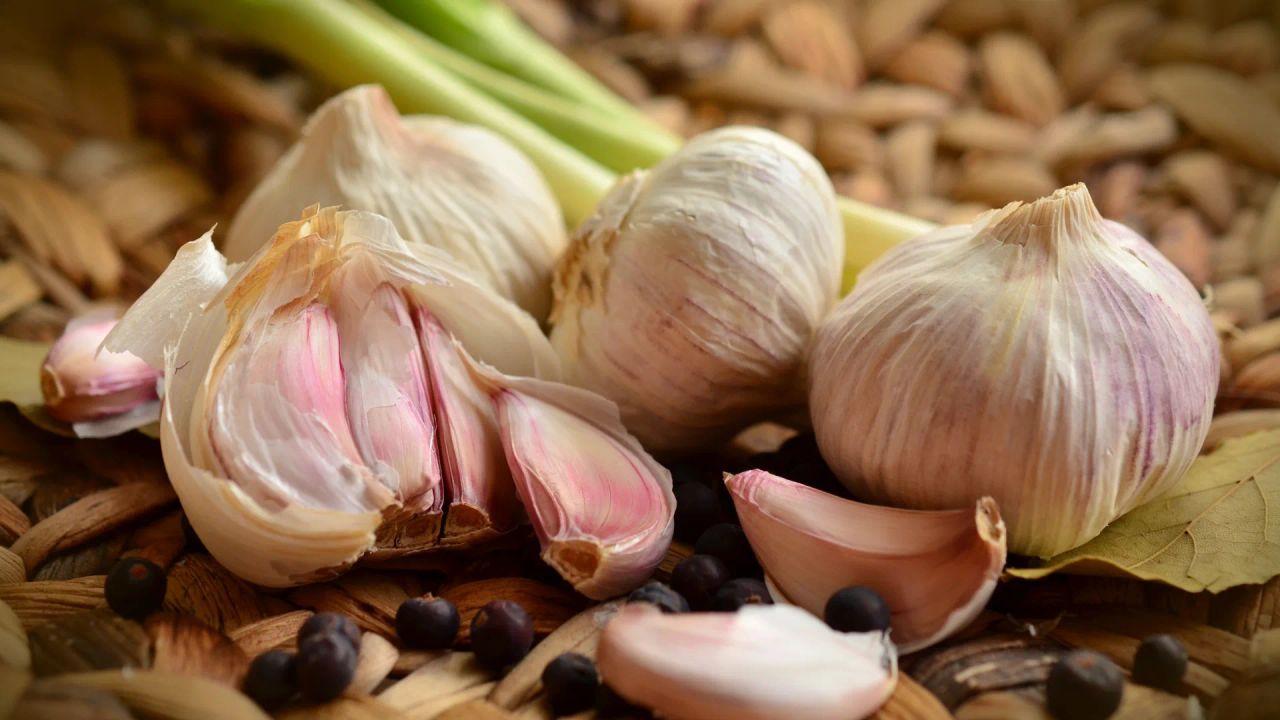
Garlic, or Allium sativum, is a bulb-forming perennial usually grown as an annual food crop. Each planted clove produces a new bulb made up of multiple cloves. It prefers a sunny position, fertile free-draining soil and a period of winter cold to divide well. Most UK crops are planted in autumn and lifted the following summer. Hardneck and softneck types behave differently. Read ahead to find out 6 reasons why.
6 Reasons to Grow Garlic
- A useful autumn planting window – Garlic goes into the ground when many vegetable beds are becoming empty. Planting in October or November gives roots time to establish before winter and spreads kitchen-garden work beyond spring.
- Companion planting potential – Garlic's strong scent is often used in mixed planting and may confuse some pests at close range. Evidence for broad pest control is mixed, so it should support good crop rotation and observation rather than replace them.
- Reliable container growing – Garlic grows well in a deep pot or raised bed where heavy garden soil would remain too wet. A container at least 20cm deep can hold cloves spaced about 15cm apart.
- Cold improves bulb formation – Many garlic varieties need several weeks of low temperature to divide into a full bulb. That is why autumn planting often gives a better result than planting after the coldest weather has passed.
- Months of storage – Properly cured garlic can keep for several months in a dry, airy place. Softneck types usually store longer, while hardneck types often produce larger cloves and edible flower stems called scapes.
- A useful culinary crop – Home-grown garlic can be selected for flavour, clove size and storage rather than supermarket shelf life alone. Garlic is associated with several health benefits when eaten as part of a balanced diet, but growing it does not make it a medicine.
How to Grow Garlic in the UK
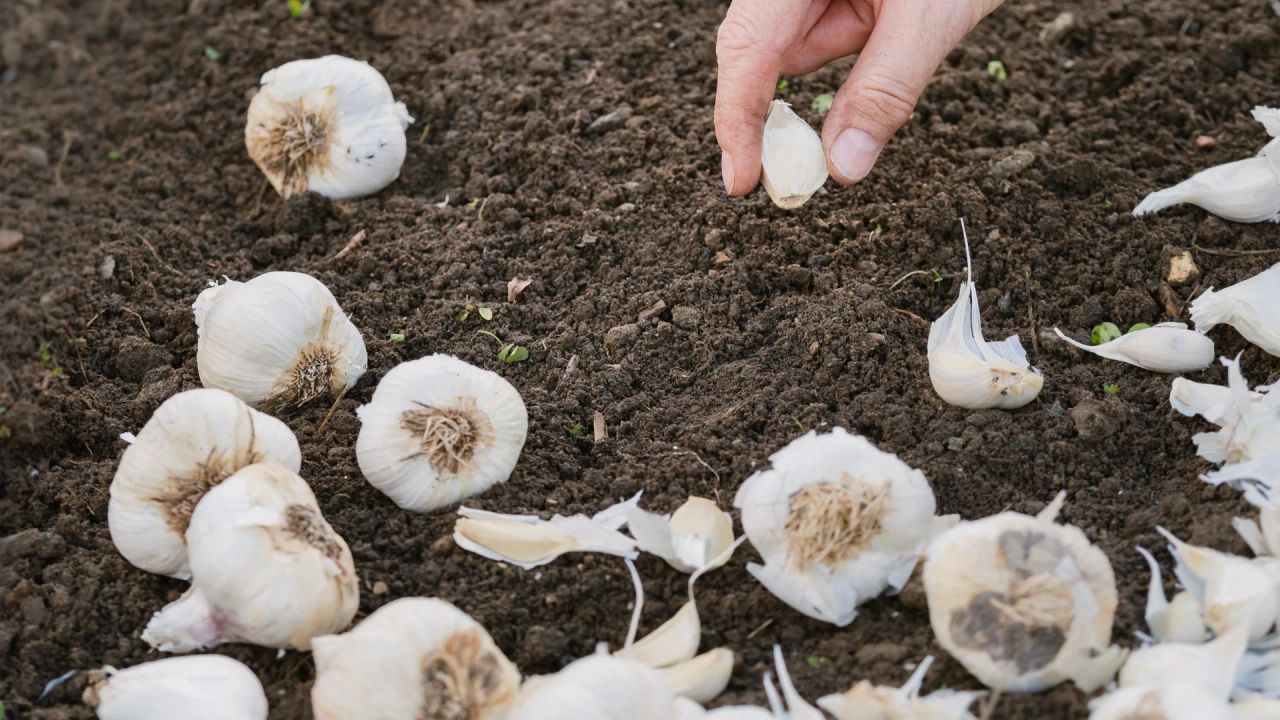
Choose certified planting bulbs from a reputable supplier. Split each bulb into cloves shortly before planting and keep the papery skin intact. Set each clove point upwards, about 2.5cm below the soil surface, with 15cm between cloves and roughly 30cm between rows.
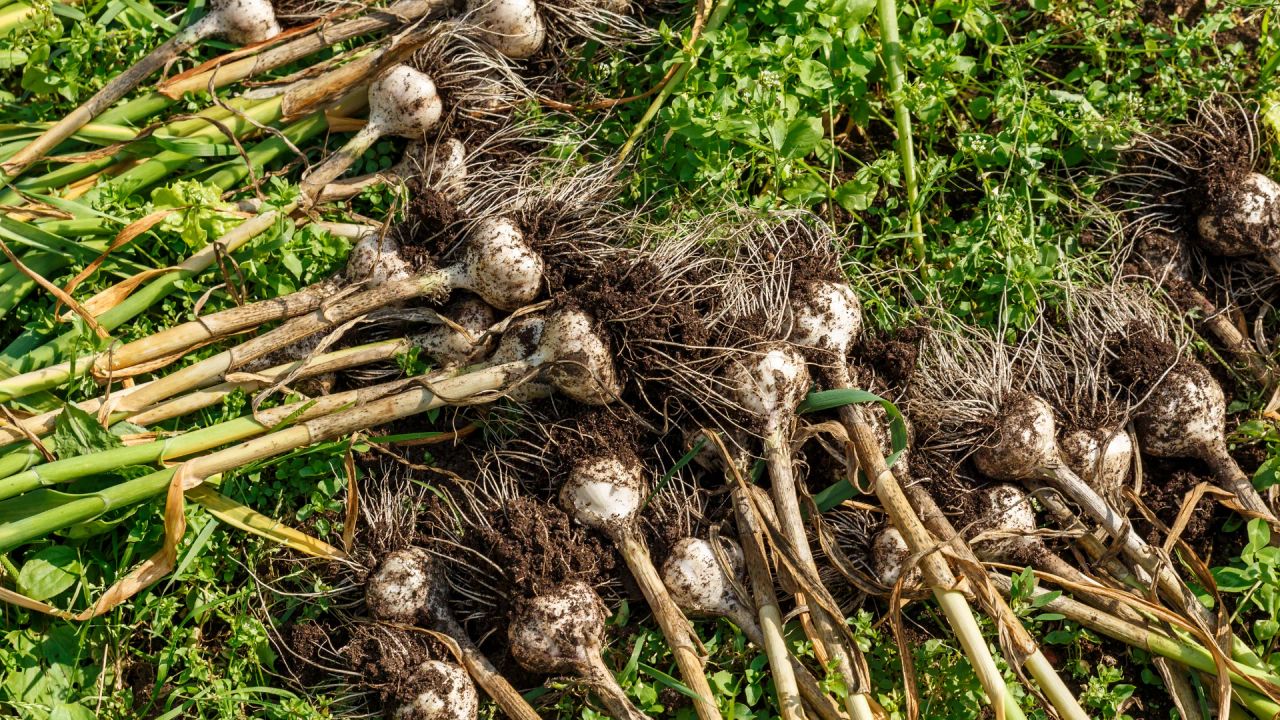
Use a sunny, sheltered position with free-draining soil. On heavy clay, plant in a raised bed or pot rather than a wet winter border. Keep the area weed-free because garlic foliage casts little shade. Water during prolonged dry periods from spring, then stop once leaves begin yellowing. Lift bulbs in early to midsummer and cure them under cover in a dry, airy place before storage.
When to Plant Garlic
Plant from October to December for the most reliable cold exposure. January and February planting can still work if the ground is not frozen or waterlogged, and some spring varieties are sold for that purpose. Autumn-planted cloves usually produce larger bulbs because they have more time to root before active spring growth.
Common Questions About Garlic
When should you plant garlic in the UK?
Plant garlic in October or November where drainage is good. December to February is also possible, but later planting may produce smaller bulbs if the variety receives too little cold.
Can you grow supermarket garlic?
It may grow, but it is not the best choice. Supermarket bulbs may be a variety selected for a warmer climate, may have been treated to delay sprouting and can carry disease. Certified planting stock is more predictable.
Does garlic really repel pests?
Garlic scent may deter or confuse some insects at close range, but it does not create a pest-free bed. Use it as one part of mixed planting, crop rotation and regular inspection.
Can you grow garlic in a pot?
Yes. Use a pot at least 20cm deep with drainage holes and peat-free compost mixed for good drainage. Space cloves about 15cm apart and keep the container moist but never waterlogged.
Why is my garlic bulb small?
Common causes include late planting, insufficient cold, shade, crowding, dry spring soil or heavy wet ground. Harvesting too early also limits bulb size. Choose a UK-suited variety and give each clove enough space.
One clove, one season, one useful crop
Garlic rewards an early decision. The planting is simple, but timing, drainage and the cold period all matter. Within our garden maintenance, productive beds are treated as part of the whole garden, with the same attention to soil, seasonal rhythm and clear access as any ornamental border.