Having a diverse range of wildlife in your Garden can be extremely beneficial for your plants, your outside ecosystem, and the planet. Did you know you can create a garden that entices visitors year-round? By carefully selecting the right varieties of plants you can attract birds and pollinators to your garden all year.
January
Lonicera x Purpusii (Purpus Honeysuckle)
A shrubby honeysuckle that has fragrant white flowers that provide vital nectar for early bumblebees.
February
Viburnum Tinus (Larurustinus)
An evergreen shrub with Winter flowers that provides nectar and pollen for early pollinating insects.
March
Anemone Blanda (Violet Star)
The amethyst-coloured flowers of this spreading perennial bloom in early Spring and are a magnet for bees of all kinds.
April
Pulsatilla Vulgaris (Pasque Flower)
A small herbaceous perennial with flowers in shades of pink and purple that attract bees and butterflies.
May
Camassia Cusickii ‘Zwanenburg’ (Camassia)
A bulbous perennial with elegant spires of deep blue-purple flowers that are very popular with pollinators.
June
Cistus x Cyprius (Rock Rose, Sun Rose)
An evergreen shrub that blooms flowers which attract bees and butterflies for several months.
July
Borago Officinalis (Borage)
An annual with leaves and striking blue flowers, favoured particularly by bees.
August
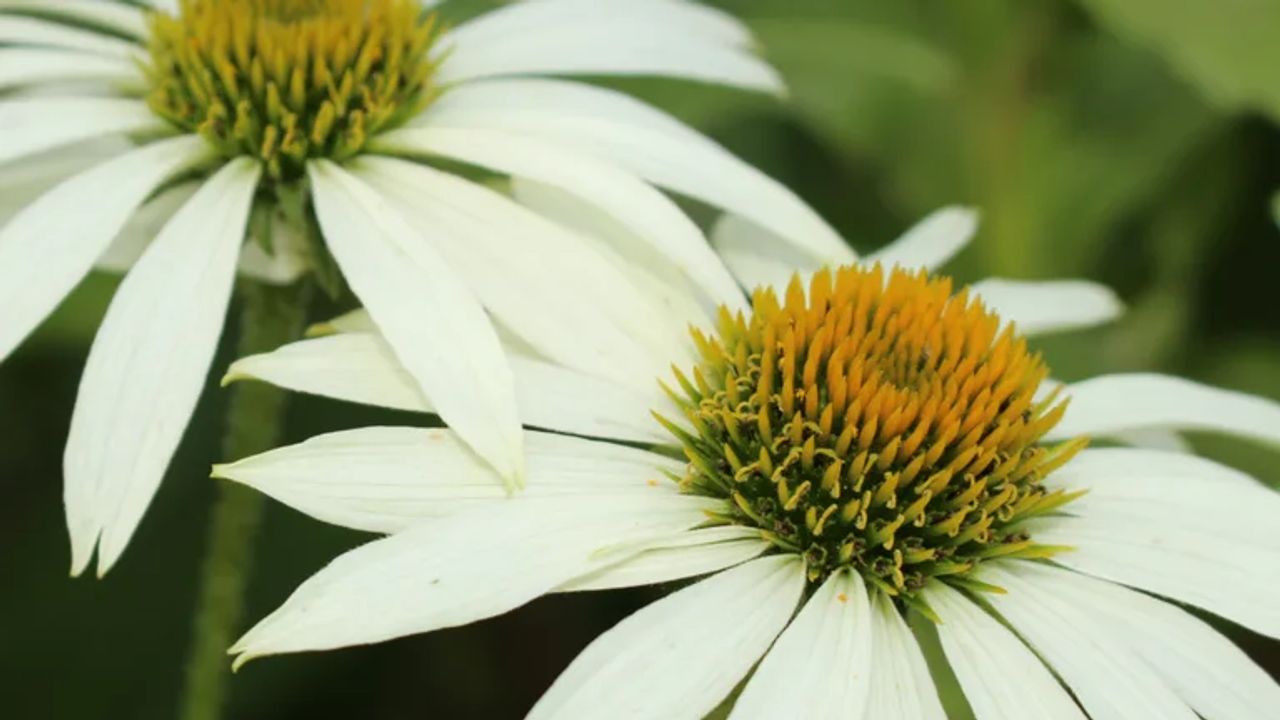
Echinacea Purpurea (White Swan/Coneflower)
A herbaceous perennial that provides late summer blooms and attracts a wide range of butterflies.
September
Sedum Spectabile (Ice Plant)
This long-flowering perennial is irresistible to butterflies and bumblebees.
October
Sorbus Commixta (Rowan)
This deciduous tree blooms white flowers that develop into red berries loved by birds.
November
Pyracantha (Golden Charmer)
An evergreen shrub that produces orange autumn berries that attract birds and white spring flowers popular with bees.
December
Ilex Aquifolium (English Holly)
An evergreen shrub which produces masses of berries excellent for birds.
Planting all your new plants means you will need to treat your soil to ensure your gardens new additions get all the nutrients they need. Check out our range of soil conditioners and fertiliser from Natural Growers.
You might also want to protect your plants from slugs and snails, we recommend using Shell on Earth’s recycled Whelk shells. An excellent natural, gentle weed and pest control which not only looks great and is sustainable, but also has a wide range of other uses in your home and garden.