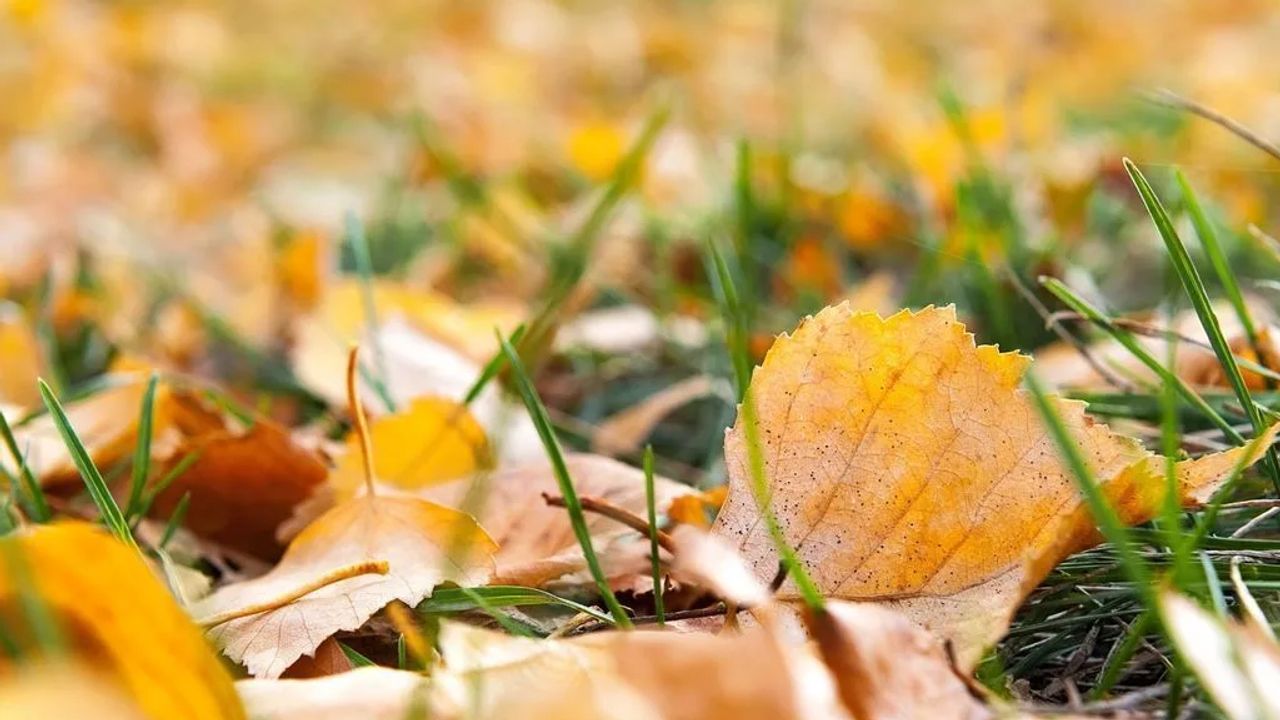
The change of season has brought a beautiful display of Autumn leaves that are already falling rapidly. You might have started to notice them gathering in outside, but did you know that there are many practical ways to reuse them back into your outdoor space? Keep reading for six ways you can reuse autumn leaves in the garden.
Make Leaf Mould
Leaf mould is an easier alternative to composting but works just the same. Simply place your leaves into a large bin or black bags with lots of little holes for aeration, and let the magic happen! In six months to a year the leaves should decompose into rich, dark soil conditioner that you can use in the same way you would any other compost.
Mix into Soil
Add shredded or whole leaves straight into your soil. As they disintegrate the leaves will give your soil an extra boost of nutrients, as well as attracting useful wildlife such as earthworms.
Add to Compost
Leaves are a great, carbon-rich, brown-material, addition to your compost pile. Ensure they are moist, not wet, and mixed with the right amount of green material too. Turn once a month to allow oxygen to circulate.
Mow into the Lawn
When maintaining your lawn, mow straight over any dry, dead leaves. The blades will shred and distribute the leaves, allowing them to break down and add nutrients back into the soil.
Use as Mulch
Leaves make an excellent mulch around plants, trees, shrubs, and flowerbeds. They retain moisture, regulate temperature, block weed growth and act as a fertilizer when they break down. Shred the leaves with your mower and place them around your plants and flower beds in a layer that is two-three inches thick.
Leave for the Wildlife
Fallen leaves are not only useful to us, but they provide an entire ecosystem that is vital to many forms of wildlife, especially during the colder months. Many types of insects from bees, butterflies to spiders and snails spend winter in dead plant material for protection from cold weather and predators. So, leave the leaves around for some creatures to make a home.