A Design Style Rooted in Sustainability
As a garden designer passionate about creating functional and beautiful outdoor spaces, I find great joy in the timeless appeal of cottage gardens. These charming landscapes, characterised by their informal arrangements and a riot of colour, capture a sense of nostalgia while also aligning perfectly with today’s sustainable gardening philosophies. Join me as we explore the history and design principles of cottage gardens, their enduring allure, and their relevance to contemporary sustainable practices.
A Historical Overview
Cottage gardening has its roots in a rich English tradition, emerging in the late 19th century when the Arts and Crafts Movement championed authenticity and simplicity in design. Influenced by the ideas of figures like William Morris and Gertrude Jekyll, cottage gardens aimed to create intimate, cozy spaces filled with life and colour. This style emphasised a romantic view of nature, promoting the use of plants that were not only beautiful but also useful, blending aesthetics with function.
Gertrude Jekyll, in particular, is a standout figure in the history of cottage gardens. Her design ethos embraced the idea of unrestrained plant growth and a diverse palette of colours and textures. In her own garden at Munstead Wood, she famously mixed perennials, annuals, and herbs to create flourishing spaces that captured the essence of nature in all its spontaneity. You can discover more about Jekyll’s innovative designs and her impact on gardening through the Royal Horticultural Society.
Design Principles of Cottage Gardens
At the heart of a cottage garden lies a sense of informality and charm. Unlike formal gardens with rigid symmetry and structure, cottage gardens are characterised by their whimsical layouts, often overflowing with a diverse range of plants. Here are some key principles to consider when designing a cottage garden:
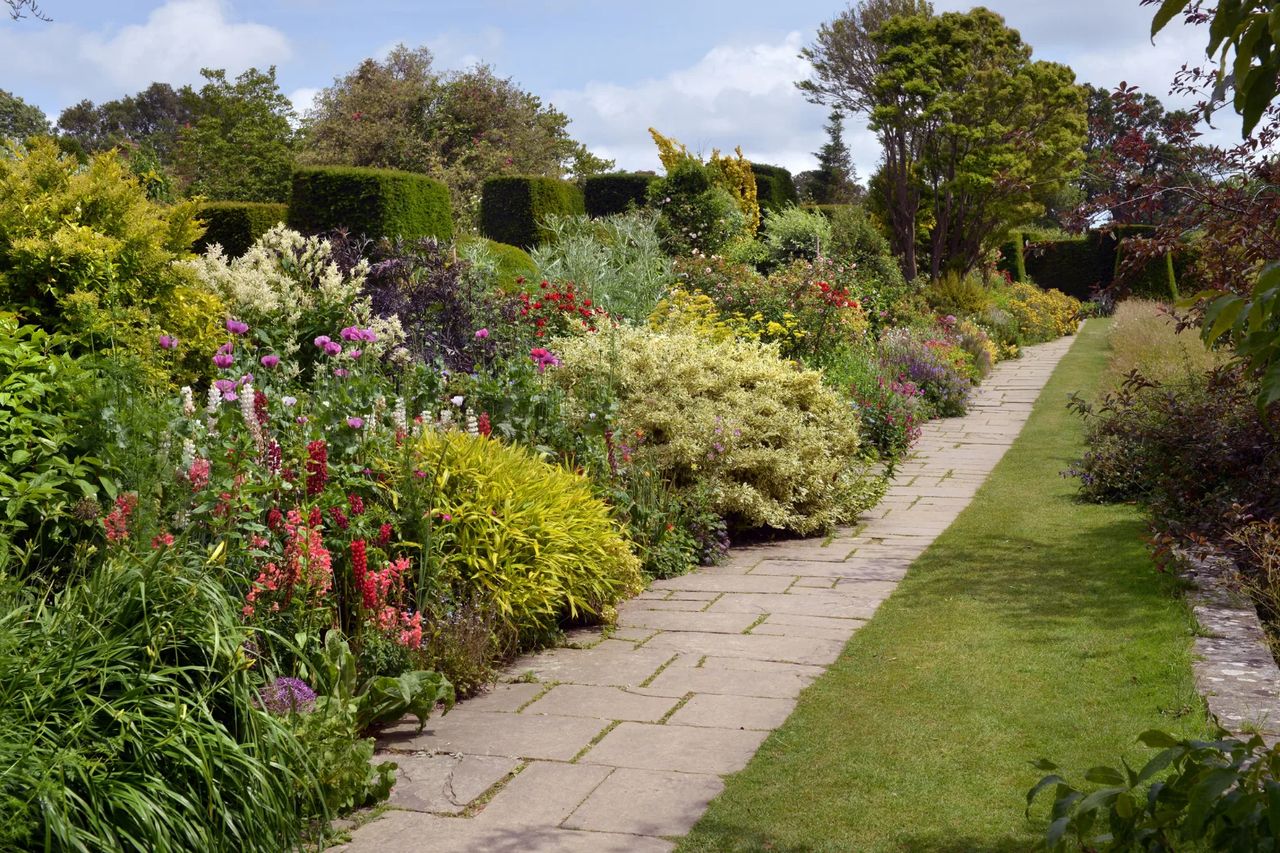
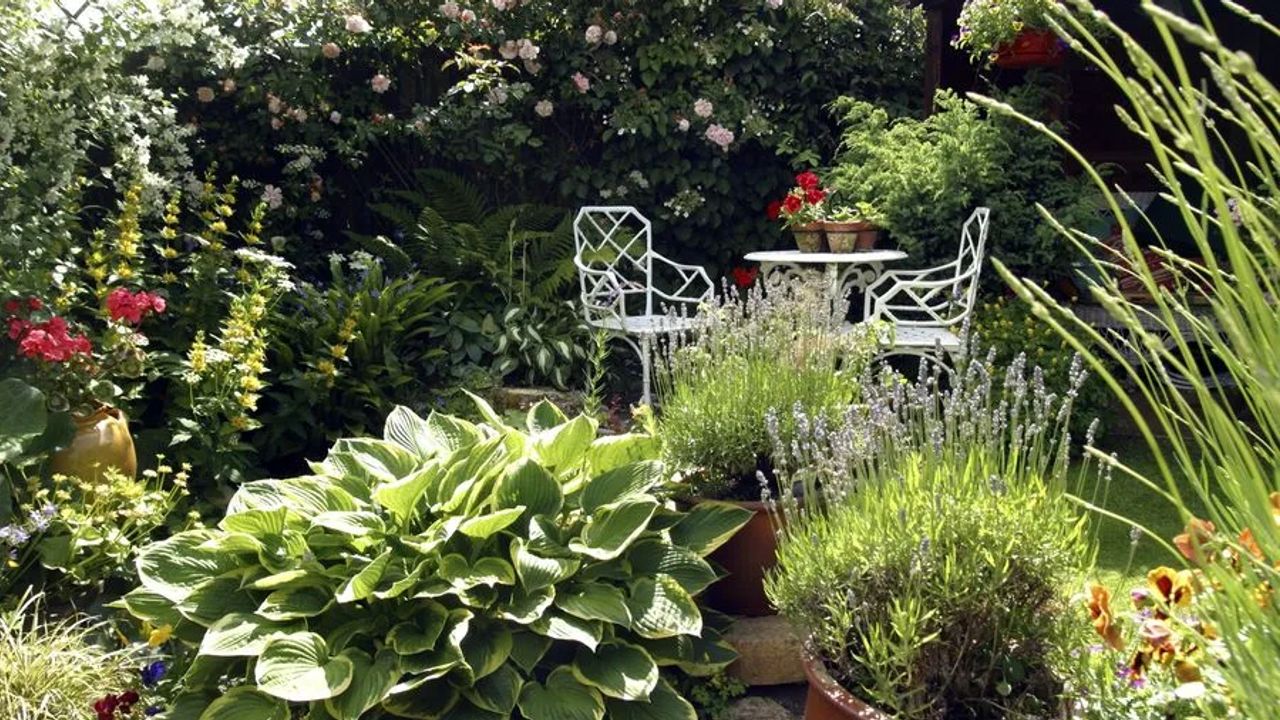
- Diversity of Planting: A flourishing cottage garden is never monochromatic. It thrives on a rich tapestry of colours, textures, and heights. Popular plants include classic favorites such as foxgloves, hollyhocks, roses, and lavenders, combined with herbs like thyme and rosemary that not only add beauty but also enhance culinary experiences.
- The Mixing of Edibles and Ornamentals: One of the foundational elements of cottage gardens is their blend of ornamental plants with edibles. This is particularly resonant in today’s sustainable gardening, as it promotes biodiversity while ensuring that your garden is productive. The joy of stepping into a garden and harvesting fresh vegetables alongside fragrant flowers truly captures the essence of cottage gardening.
- Natural Materials and Pathways: In keeping with the aesthetic of rustic charm, the use of natural materials such as stone, timber, and gravel is key. Pathways of irregular stones or soft grass meander through the garden, inviting exploration and connecting different areas organically, rather than imposing rigid lines.
- Wildlife Friendly: Cottage gardens often welcome a variety of pollinators and beneficial insects by incorporating a range of flowering plants and providing natural habitats. By designing your garden to support wildlife, not only do you create a lush environment, but you also cultivate the ecological harmony that sustainable gardening aims to achieve.
The Cottage Garden’s Place in Modern Sustainability
The principles of the cottage garden resonate strongly with contemporary ideals of sustainability and environmental stewardship. Today, many gardeners seek to replicate the biodiversity found in traditional cottage gardens by planting native species that require fewer inputs and support local ecosystems.
Moreover, the emphasis on growing edible plants reflects a growing desire for self-sufficiency and a connection to food sources. Techniques such as companion planting and permaculture align with the cottage garden philosophy, promoting a holistic approach to gardening that works in harmony with nature.
Inspiring Cottage Gardens
Some modern interpretations of cottage gardens highlight their ongoing relevance and charm:
- The Royal Horticultural Society’s Cottage Garden: Located at RHS Wisley, this garden beautifully showcases the diversity of a traditional cottage garden while integrating modern sustainable practices. Explore it here.
- The Sissinghurst Castle Garden: Created by Vita Sackville-West, Sissinghurst remains one of the most famous English gardens, celebrated for its rich plant combinations and emotional appeal. You can learn more about its design ethos here.
- Gravetye Manor: This historic house and garden, shaped by visionary gardener William Robinson in the late 19th century, serves as another stunning example of the principles of cottage gardening applied in a modern context. Discover more about its history and design here.
Crafting Your Cottage Garden
As we continue to embrace the charm of cottage gardens, we find an opportunity to cultivate outdoor spaces that resonate with history while also embodying sustainable principles. By turning to nature for inspiration and prioritising plant diversity, edible landscaping, and natural materials, we can create gardens that not only nurture our souls but also foster a deeper connection to the environment.
Whether you’re designing a new garden or reimagining an existing space, consider the timeless appeal of a cottage garden. Through thoughtful design, you can cultivate a sanctuary that celebrates the beauty of nature, enhances your well-being, and supports a sustainable future. Let’s dig in and bring this enchanting style to life!
Call our team to discuss your garden design