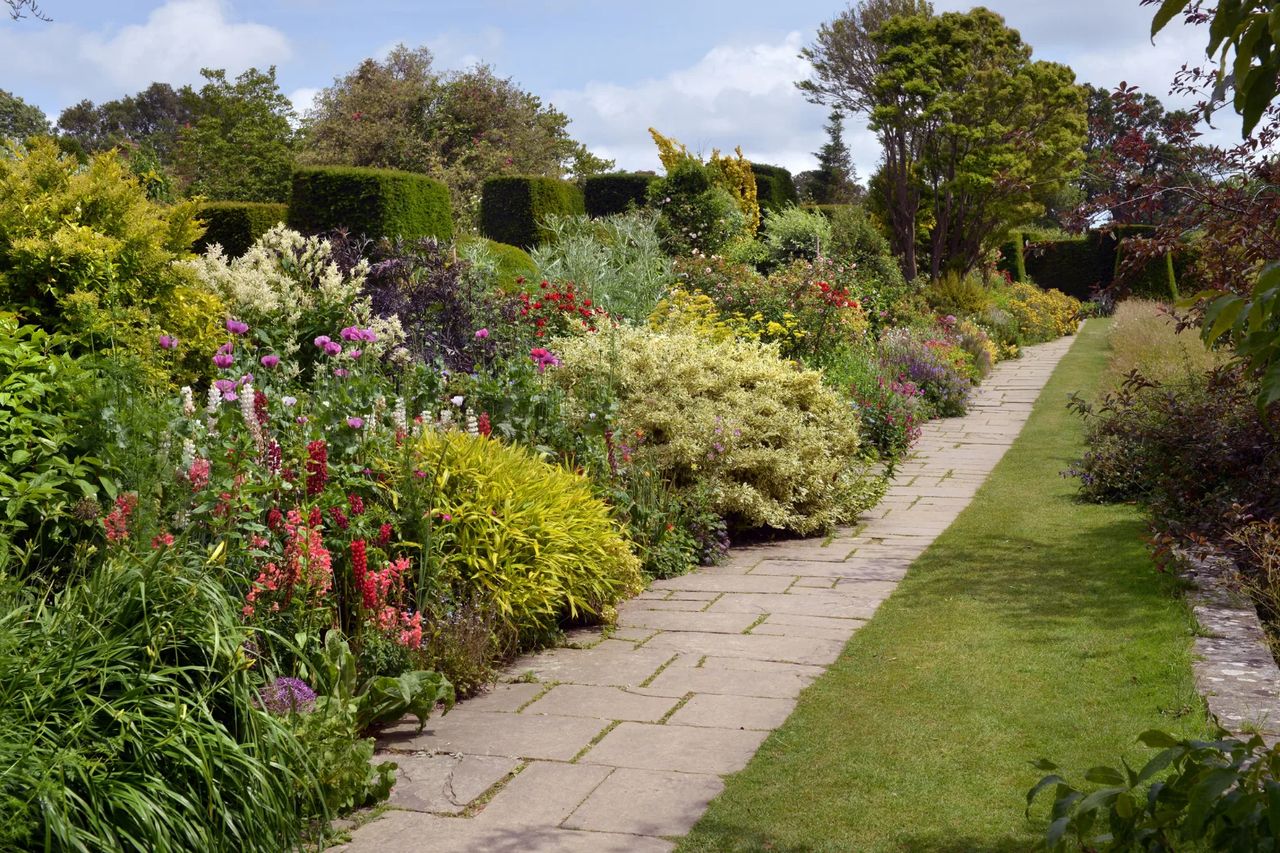
In the late 19th and early 20th centuries, a movement emerged that sought to reintegrate the beauty of craftsmanship into everyday life, reacting against the mass-produced, mechanised outputs of the Industrial Revolution. This was the Arts and Crafts movement—a celebration of artisanal skill, natural materials, and the seamless integration of interior and exterior spaces. As we navigate an era increasingly defined by sustainability, the core tenets of the Arts and Crafts movement offer invaluable insights for contemporary garden design, encouraging us to cherish both our environment and the artistry of nature.
A Retreat Into Nature
At the heart of the Arts and Crafts philosophy is a profound reverence for the natural world. Figures such as William Morris and Edward Barnsley championed the idea that a connection to nature fosters a deeper appreciation for beauty and craftsmanship. Morris, whose textile designs drew inspiration from the flora he encountered, understood that gardens were not merely adjuncts to the home but integral to the living experience. His own garden at Kelmscott Manor was a testament to this belief—a verdant haven that reflected both his artistic vision and his commitment to natural beauty.
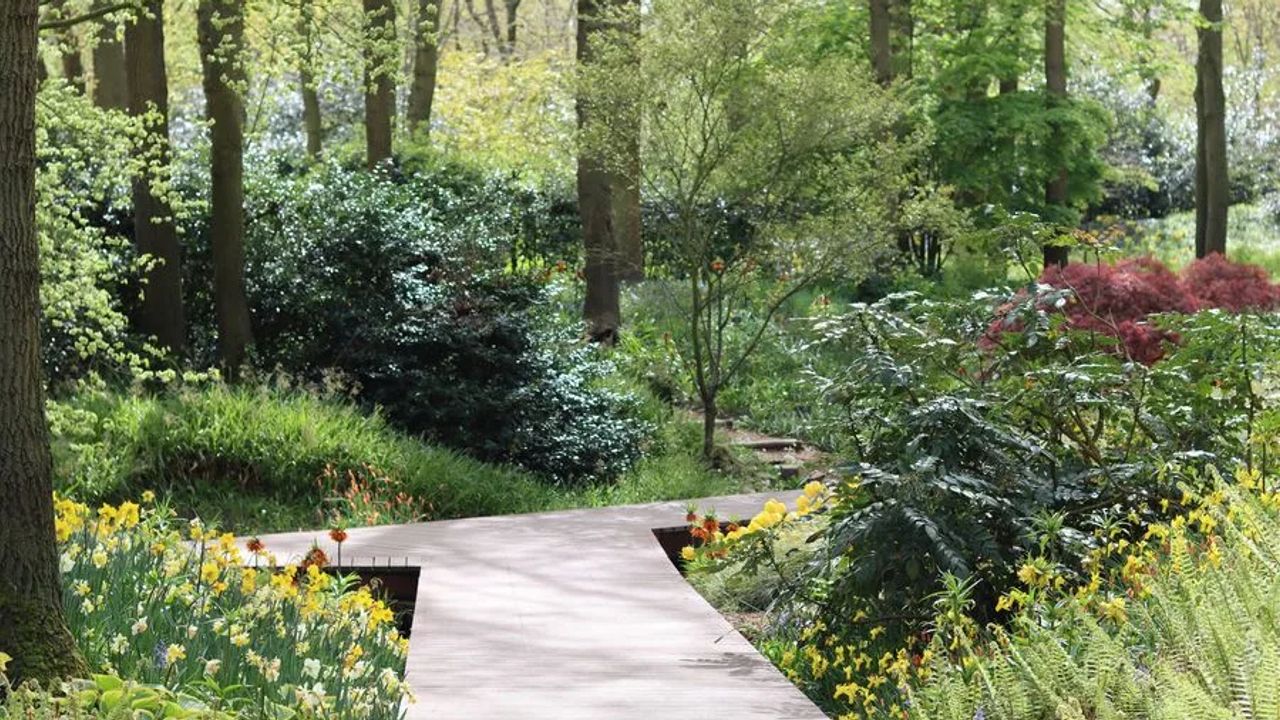
Today, this focus on the natural landscape acts as a guiding principle in pursuing sustainable garden design. Homeowners can embrace native plants that thrive in local conditions, reducing the need for chemical fertilizers and excessive watering. The lush, diverse biodiversity celebrated by the Arts and Crafts movement aligns perfectly with modern ecological consciousness. By cultivating gardens that mirror the landscapes of our regions, we honour the environment while creating vibrant spaces that invite wildlife—bees, butterflies, and birds—into our lives.
Craftsmanship and Artisanal Detail
The Arts and Crafts movement was defined by its emphasis on craftsmanship and the celebration of manual skills. Iconic interiors, such as those designed by the influential architect Charles Voysey, epitomized this ethos. Voysey’s work is celebrated for its harmonious blend of simplicity and elegance, often featuring handcrafted furnishings that were both functional and aesthetically pleasing. The careful attention to detail in his interiors reminds us that every element of design matters, including the outdoor spaces that frame our homes.
When applied to garden design, this philosophy encourages us to consider every aspect—from the choice of materials to the layout and planting schemes. Using sustainably sourced materials for pathways and garden structures—such as reclaimed wood or locally quarried stone—reflects the Arts and Crafts appreciation for the natural world while reducing our ecological footprint. Integrating handcrafted elements, such as pottery created by local artisans or fencing made by skilled craftspeople, nurtures a sense of identity and place in our gardens.
Creating Harmony Between Home and Garden
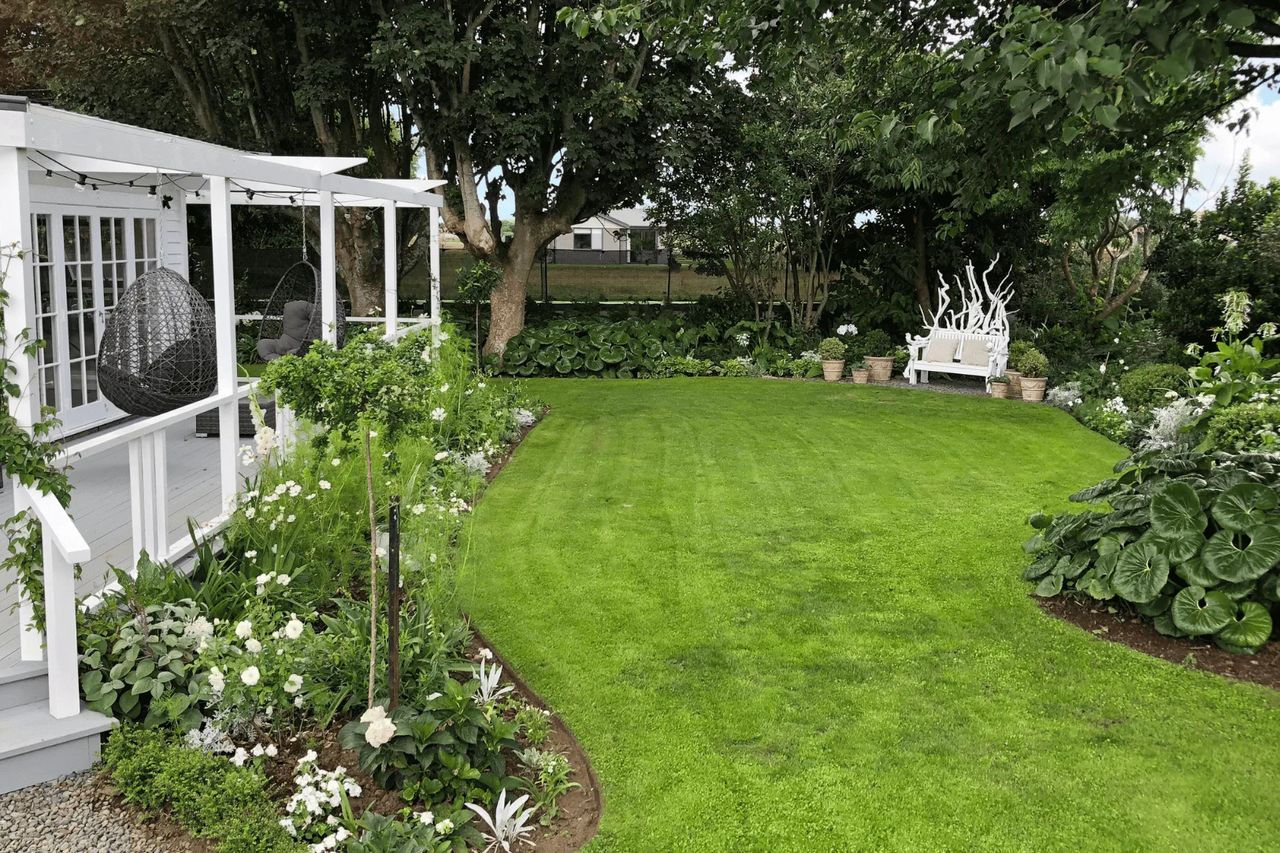
A hallmark of Arts and Crafts design is the seamless transition between interior and exterior spaces. The interconnectedness of a home’s architecture with its surrounding landscape reflects a holistic approach to living. Gardens were designed not merely as decorative elements but as extensions of the home, inviting the interiors outside and allowing the beauty of nature to flow within.
In an age where our lives can feel disconnected from nature, prioritizing this relationship is essential. Considerations for sustainable garden spaces include creating outdoor rooms—defined areas within the garden that encourage social interaction, relaxation, and communion with nature. Utilizing natural materials for seating areas or garden walls strengthens the visual dialogue between home and landscape, invoking the spirit of the Arts and Crafts ethos.
Pathways to Sustainability
The Arts and Crafts movement thrived on the notion of totality—that every detail matters and contributes to the overarching beauty of a space. This holistic perspective is vital as we address the urgent need for sustainable practices in our gardens. Incorporating permaculture principles and creating habitats that foster biodiversity not only enhances our gardens but also aligns with the movement’s ethos of living in harmony with our environment.
Emphasizing seasonal planting reduces waste and celebrates cyclical nature, allowing the garden to evolve throughout the year. Traditional crafts, such as herbalism and natural dyeing, can inspire the creation of therapeutic garden spaces that enhance well-being. The interwoven relationships between plants, materials, and craftsmanship echo the Arts and Crafts passion for merging beauty and utility.
The legacy of the Arts and Crafts movement, with its profound appreciation for craftsmanship, nature, and the holistic environment, offers us a remarkable blueprint as we engage in today’s discussions on sustainability and garden design. By revisiting the principles laid down by those who sought beauty and functionality through careful artistry, we can create lush, sustainable gardens that honor the natural world and enhance our living spaces.
In a period characterised by fleeting trends and mass production, the Arts and Crafts philosophy calls for a return to intentionality, inviting us to engage with our surroundings deeply. As we design gardens that reflect our commitment to sustainability, let us draw inspiration from this rich history, crafting spaces that are not just beautiful but meaningful—where each plant, every pathway, and each handcrafted element is a testament to our connection with nature and our legacy as stewards of the earth.