In an age where the collective consciousness is increasingly attuned to environmental sustainability, it’s fascinating to revisit elements of our gardening history that not only beautify our spaces but also enrich our ecosystems. One such art form that has stood the test of time is the Victorian stumpery. Born from the whimsy of 19th-century gardeners, stumperies merge creativity with ecological consciousness, showcasing the delicate balance of art and nature. This blog delves into the cultural relevance of stumperies while highlighting their crucial benefits for biodiversity in today’s world.
What is a Stumpery?
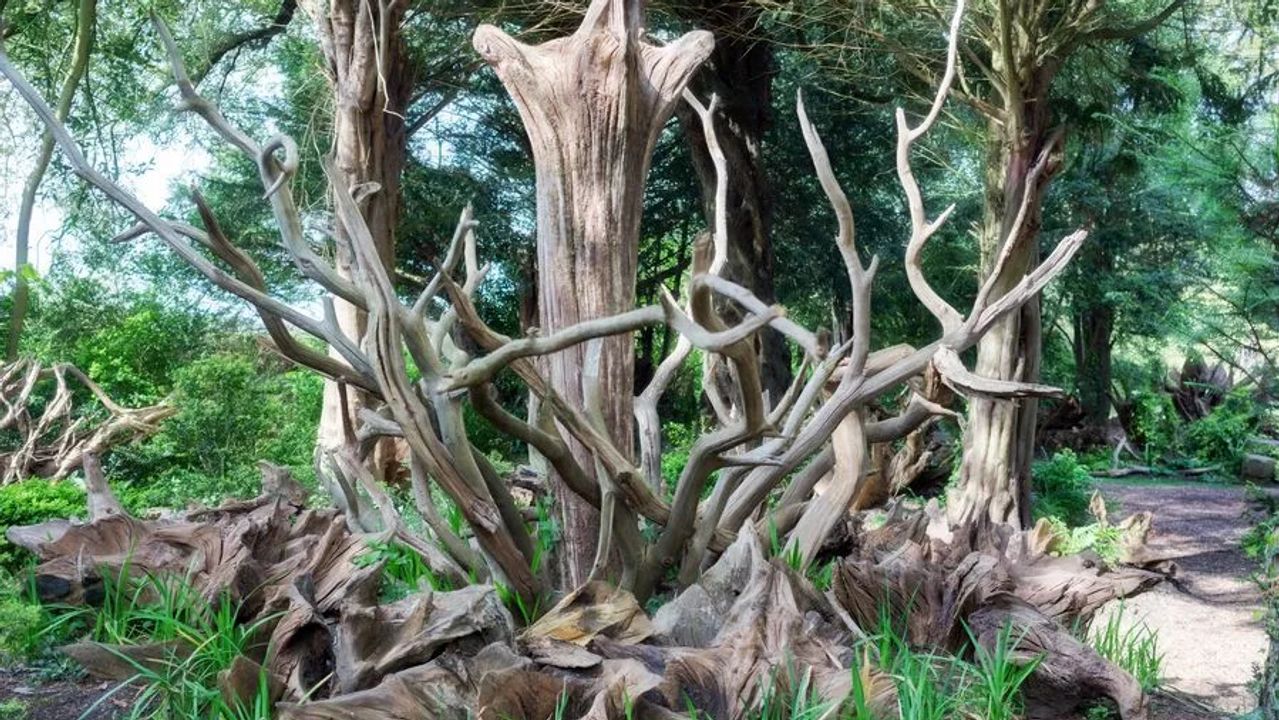
At its essence, a stumpery is an artistic installation within the garden that repurposes tree stumps and logs, transforming them from mere remnants of felled trees into vibrant habitats and aesthetic wonders. While the concept may seem simple, it embodies a philosophy that resonates deeply with contemporary gardening trends: the embrace of natural materials and a commitment to sustainability.
The Cultural Legacy of Stumperies
The roots of stumperies can be traced back to the Victorian gardens of the mid-19th century, a period marked by a fascination with nature and a burgeoning desire to recreate its beauty within personal spaces. Influential figures like Joseph Paxton, the mind behind the Crystal Palace, highlighted the potential of using organic materials as design tools. Stumperies became a symbol of the Victorian ethos—melding art with an appreciation for the natural world. They allowed gardeners to experiment with an array of plant species and styles, evolving a landscape where human intervention and nature coexisted harmoniously.
During a time when industrialisation was rapidly transitioning landscapes, stumperies represented a protest of sorts. They celebrated the wildness of nature in gardens often defined by rigid structure. Rather than the manicured lawns of the era, stumperies encouraged a more relaxed and natural aesthetic—an early nod to the principles of environmental awareness that are so crucial today.
Ecological Benefits of Stumperies
As we confront the pressing issues of climate change and habitat loss, the importance of biodiversity has never been clearer. Stumperies offer a multifaceted solution. They create microhabitats that provide shelter for various wildlife, from beneficial insects to small mammals, facilitating essential ecological interactions.
- Promoting Biodiversity: Stumperies thrive on the principle of diversity. By planting shade-loving plants such as ferns, hostas, and wildflowers among the stumps, gardeners cultivate not only a visually rich environment but one that supports various species. This interconnection fosters a thriving ecosystem that can bolster local wildlife populations.
- Encouraging Natural Decay: The stumpery design honours the natural decay process, which is vital for nutrient cycling in ecosystems. As logs and stumps break down, they enrich the soil, promoting healthier plant growth and contributing to a more robust ecosystem over time.
- Water Management: Stumperies can also improve water retention in gardens. The structure of the logs and stumps allows for better absorption and drainage, providing a hospitable environment for both plants and local fauna.
- Educational Opportunities: In a world increasingly disconnected from nature, stumperies serve as an excellent educational tool. They offer a living example of the interconnectedness of life, illustrating how our gardening practices can impact biodiversity and environmental health.
Designing a Stumpery Today
Incorporating a stumpery into your garden is both an artistic endeavor and an ecological commitment. To create your own, consider the following steps:
- Choose a Suitable Spot: Look for a shaded or partially shaded area of your garden, where stumps can naturally complement the surroundings.
- Gather Materials: Seek out fallen logs and stumps—these can often be sourced sustainably from local tree services or your own yard.
- Design Creatively: Arrange the stumps in organic patterns that invite curiosity and exploration. Vary the heights and positions for visual appeal.
- Cultivate Biodiversity: Select a variety of native shade-tolerant plants. Incorporating native species not only supports local wildlife but also adds to the ecological authenticity of your stumpery.
- Sustain and Maintain: Regular care—watering, monitoring plant health, and removing debris—will enhance the longevity of your stumpery and the richness of its ecosystem.
Stumperies are not merely relics of Victorian gardening but vibrant and dynamic expressions of our relationship with nature. As we grapple with the realities of environmental degradation and loss of biodiversity, these organic installations remind us of the beauty and importance of preserving our ecosystem. By embracing stumperies today, we pay homage to a cultural legacy that marries art and nature, creating spaces that inspire us to foster and champion biodiversity for generations to come. As we cultivate our gardens with intention and love, let’s remember that every piece of wood, every fern, and every inch of soil plays a crucial role in our world’s intricate tapestry of life.
Call our team to discuss your garden design