When you think of a picturesque, serene garden, what comes to mind? For many, the image is of an English Cottage Garden. A space that is full of colour, natural beauty, charm, and a welcoming, romantic atmosphere. With the right garden design ideas and plant selections, creating a cottage garden is easier than you might think.
A cottage garden is a perfect blend of traditional style and organic beauty. The goal is to create a relaxed, informal garden space that feels timeless and as though it has always been there.
Cottage Garden Design Ideas – Embracing Informality and Romance
A key feature of cottage gardens is their informal planting scheme. Unlike formal gardens with neatly pruned hedges and manicured lawns, a cottage garden embraces a more relaxed aesthetic. Think of plants growing freely in clusters, spilling over garden paths, with no strict rules or patterns, allowing nature to take its course.
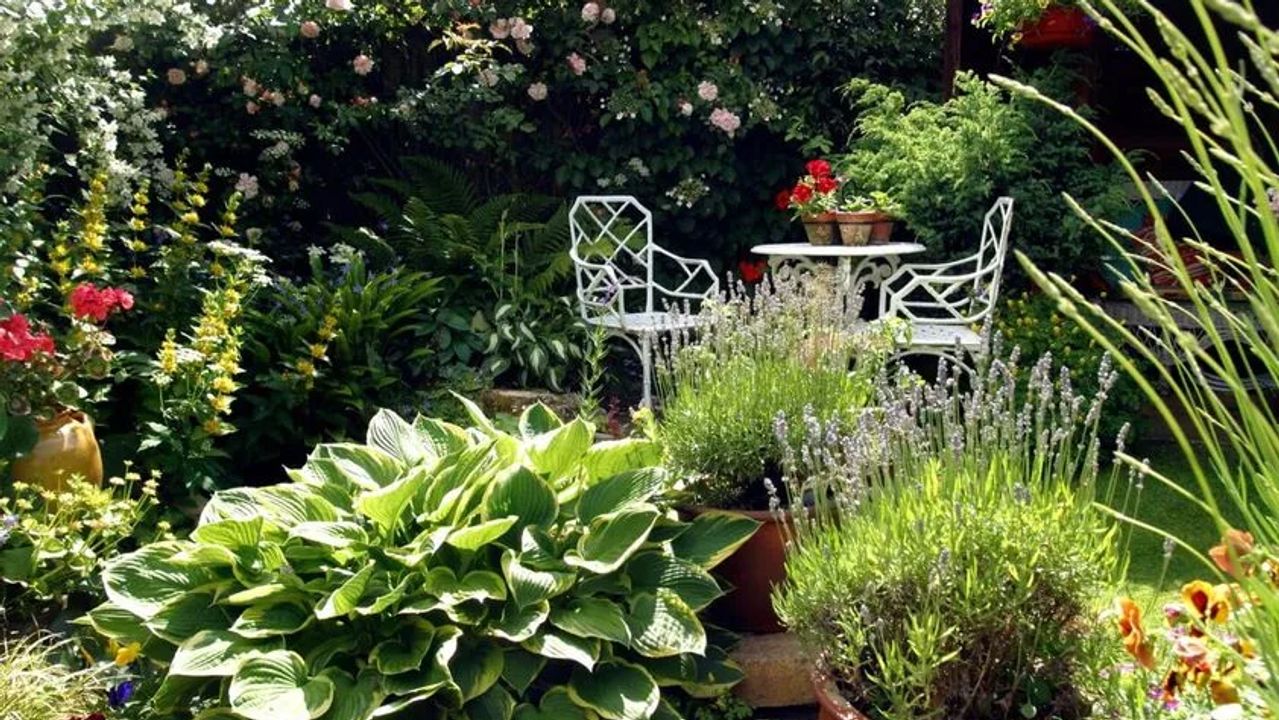
Cottage gardens are often thought of as romantic due to their softness, colour and fragrant flowers. They offer an overall sense of ease and comfort with their clever planting styles, minimal use of harsh materials and hard landscaping and use warm colour combinations of soft pinks, purples and greens.
Traditional Garden Plants
No cottage garden would be complete without a selection of traditional cottage plants. They are at the heart of every good cottage planting plan, they’re not only beautiful but also carry a sense of history and nostalgia, which is exactly what gives the cottage garden its timeless charm. Some of the most beloved plants for these gardens include:
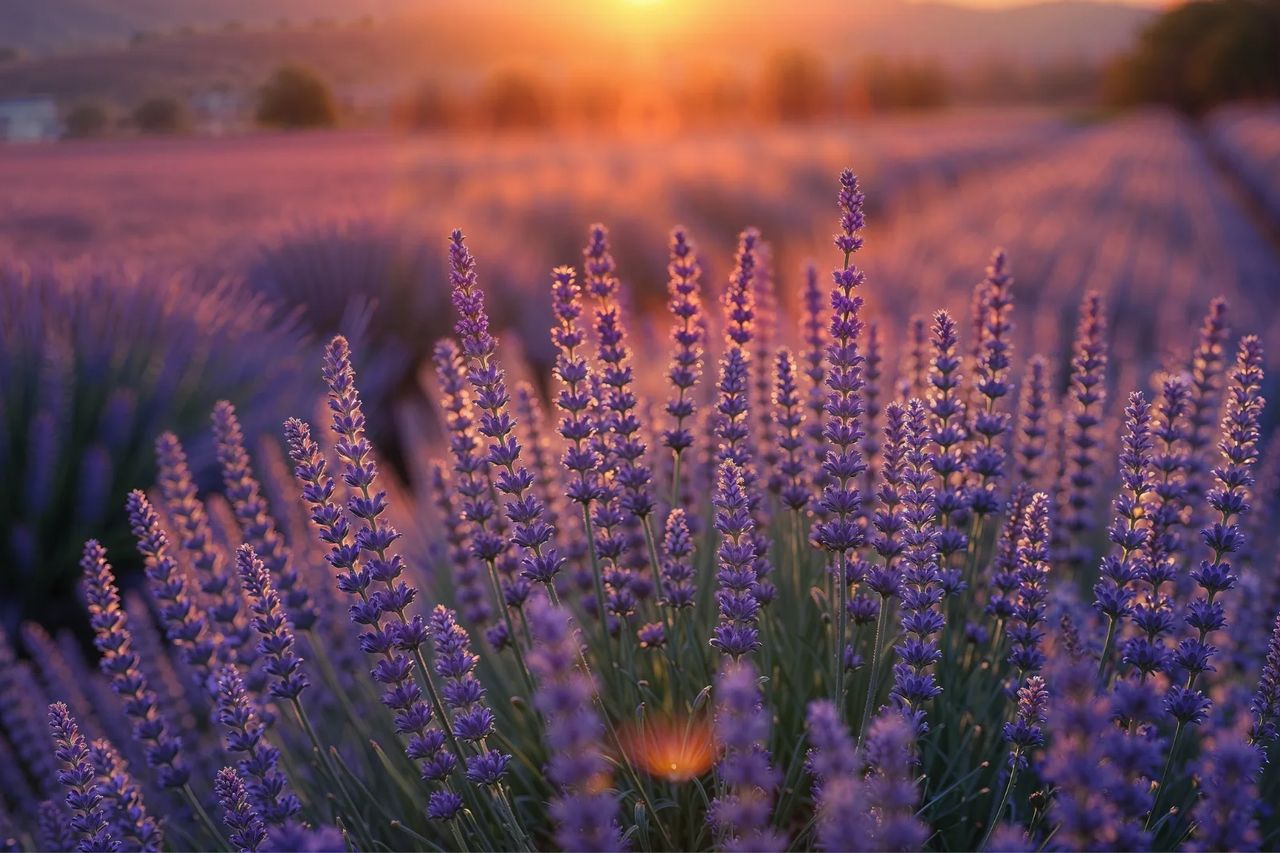
- Lavandula (Lavender) With its aromatic scent and delicate purple flowers, lavender is a quintessential cottage garden plant.
- Delphiniums, Tall and majestic, delphiniums add height and colour to your garden, making them a perfect backdrop for shorter flowers.
- Paeonia (Peonies) These stunning perennial flowers have large, romantic blooms that capture the essence of a cottage garden.
- Digitalis (Foxgloves) Elegant and a bit whimsical, foxgloves will create a magical feel with their tall spikes of bell-shaped flowers.
- Rosa (Roses) An elegant and one of the most quintessentially British plants. Romantic and often associated with English cottage planting. An array of colours and blooms make them one of the most popular flowers to use in this style garden.
Incorporating a mix of perennial flowers ensures your garden will thrive year after year, giving it a sense of permanence and continuity. Perennials like Roses, Hollyhocks, and Sedums will continue to bloom with minimal effort, making them perfect for the low-maintenance appeal of cottage gardens. Incorporating these with evergreen trees and shrubs means there will always be interest throughout the year.
Winding through nature with the perfect Cottage Garden Path
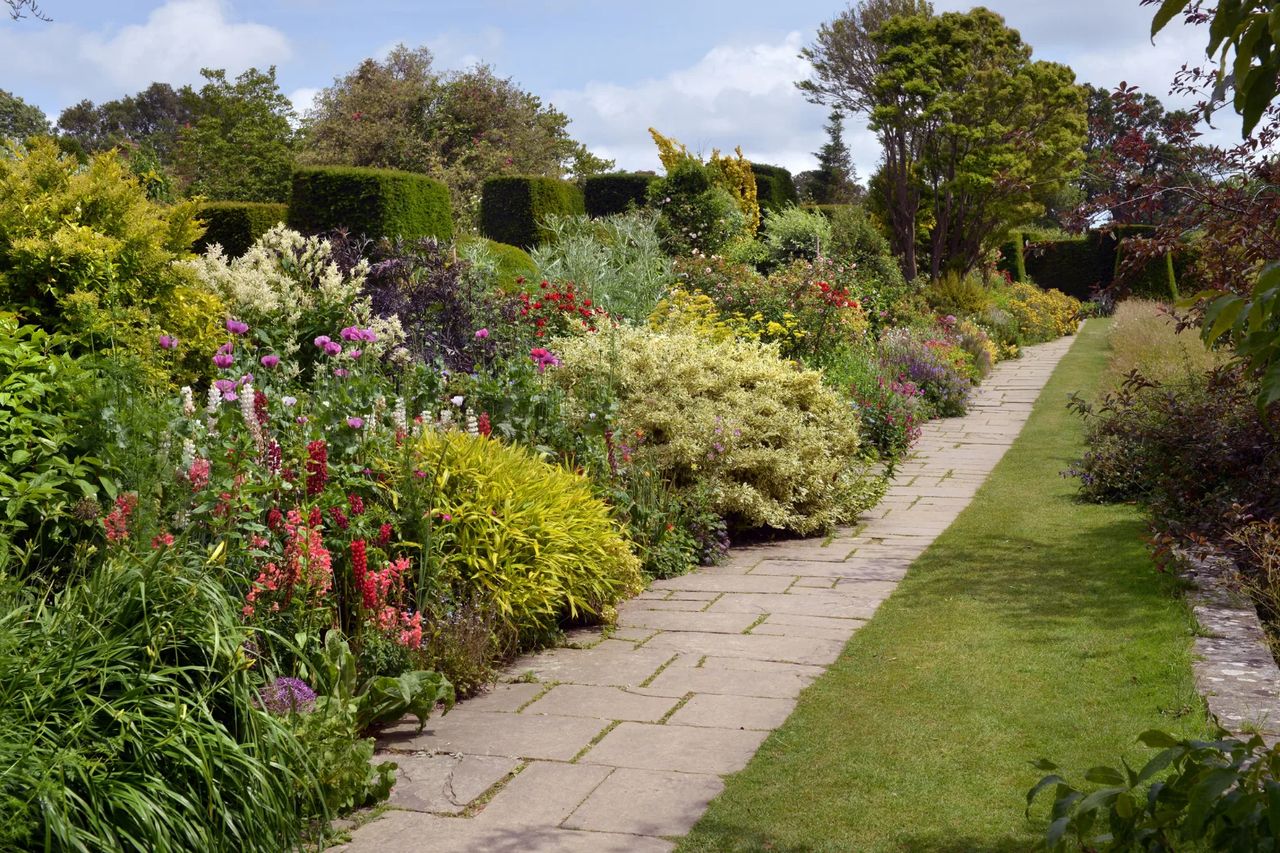
One of the most enchanting features of any cottage garden is the inclusion of garden paths. Unlike with modern architectural designs these charming pathways should be designed with charm and with an inquisitive mind. They should look as though they have been there for hundreds of years, guiding you through your garden, creating a sense of discovery and inviting you to explore every bend. Traditional paths in cottage gardens are often made from rustic materials like cobblestones, bricks, or stepping stones. Allow plants to spill over the edges of the path, so they seem to almost whisper their way through the garden.
Creating winding, meandering paths that lead to hidden nooks or focal points like a garden bench, or a trellis can add mystery and romance to your outdoor space. The winding path throughout the planting will create the illusion of a bigger space rather than cutting though the centre of the garden. The key is to design a path that feels natural and unplanned, just like the rest of the garden.
Wildlife-Friendly Planting
A true cottage garden embraces nature, and wildlife-friendly plants are key to this. By choosing plants that attract pollinators like bees, butterflies, and birds, you can create a thriving ecosystem right in your own backyard. Lavender, Sunflowers, Echinacea, and Salvias are just a few examples of plants that will invite bees and butterflies into your garden. Not only will this benefit the local wildlife, but it will also help your plants thrive, as pollinators play a vital role in keeping your garden healthy.
Creating a cottage garden is about more than just planting flowers; it’s about crafting a space that feels welcoming, whimsical, full of life and full of adventure. By incorporating traditional native plants, perennial flowers, climbing roses, and pollinator friendly plants in an informal planting scheme, you can create a garden that’s as beautiful as it is enduring. Mixing these planting combinations with charming details like winding garden paths and rustic décor such as an old wooden bench or a vintage watering adds those extra romantic touches any cottage garden needs.
Whether you have a small garden or an expansive garden, a cottage design can be adapted to suit any space. So embrace the romance and charm of the cottage garden, and create a garden you’ll love for years to come.