A well-maintained hedge adds structure, privacy, and aesthetic appeal to your garden. Regular trimming not only keeps hedges looking neat but also promotes healthy growth and longevity. This guide will take you through the best practices for trimming hedges like a pro.
Why Hedge Trimming is Important
Trimming hedges isn’t just about appearance—it’s essential for their health and functionality. Key benefits include:
- Encourages Dense Growth: Regular trimming stimulates new growth by removing older, less productive branches. This ensures your hedge stays full, robust, and vibrant.
- Prevents Overgrowth: Keeps hedges within their designated size and shape, avoiding interference with walkways, windows, or neighbouring plants. Controlled growth also reduces the risk of unevenness.
- Improves Airflow and Light Penetration: Trimming allows light and air to reach inner branches, reducing the likelihood of fungal diseases and ensuring the hedge remains healthy from the inside out.
- Maintains Aesthetic Appeal: Creates clean lines and defined shapes, elevating the overall design of your garden and improving curb appeal. Consider exploring our garden design services to maximize the visual impact of your hedges and garden.
1. Choose the Right Tools
Using appropriate tools ensures clean cuts and reduces strain. Here are the essentials:
- Hand Shears: Ideal for detailed work, such as shaping small hedges or tackling intricate designs. Opt for lightweight, sharp shears to avoid fatigue.
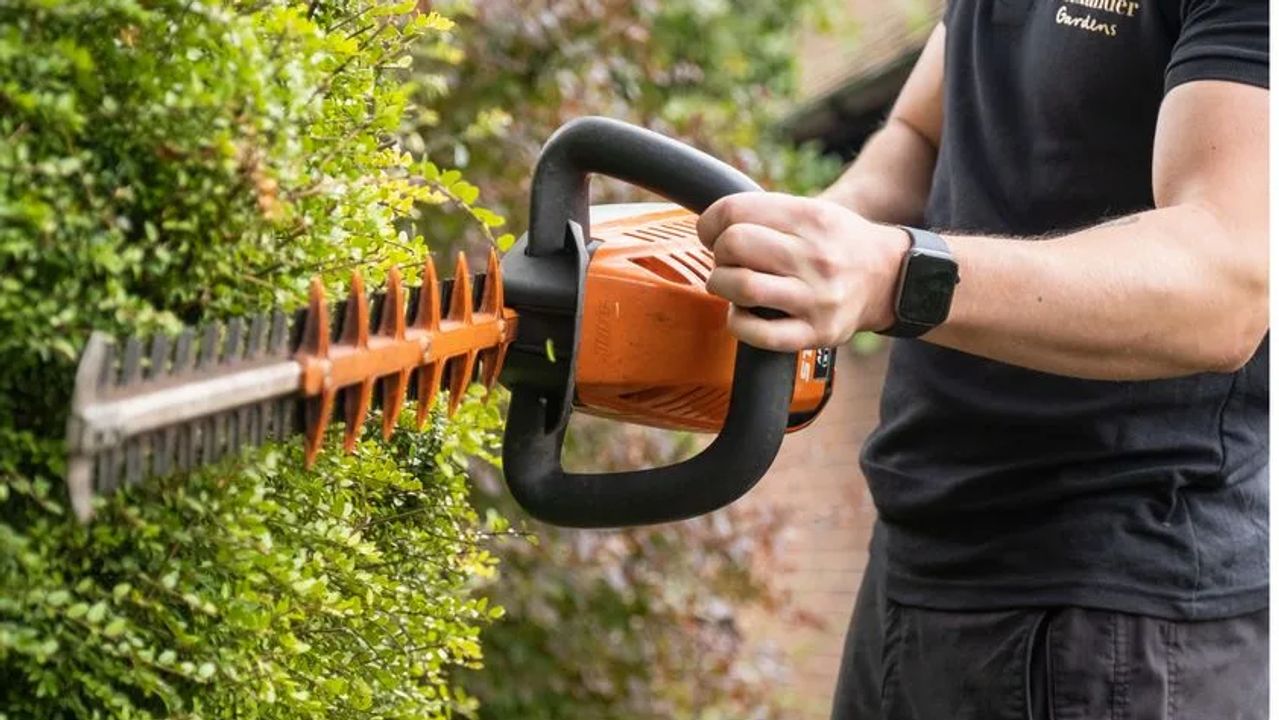
- Hedge Trimmers: For larger hedges, electric or petrol-powered trimmers save time and effort. Choose a trimmer with adjustable blades for versatility in shaping.
- Loppers: Use these for cutting thicker branches that may have outgrown standard hedge trimmers. They’re particularly useful for neglected hedges.
- Protective Gear: Gloves protect your hands from sharp blades and thorny branches. Safety goggles shield your eyes from debris, while sturdy shoes provide stability during trimming.
2. Understand Your Hedge Type
Different hedge species require different trimming approaches:
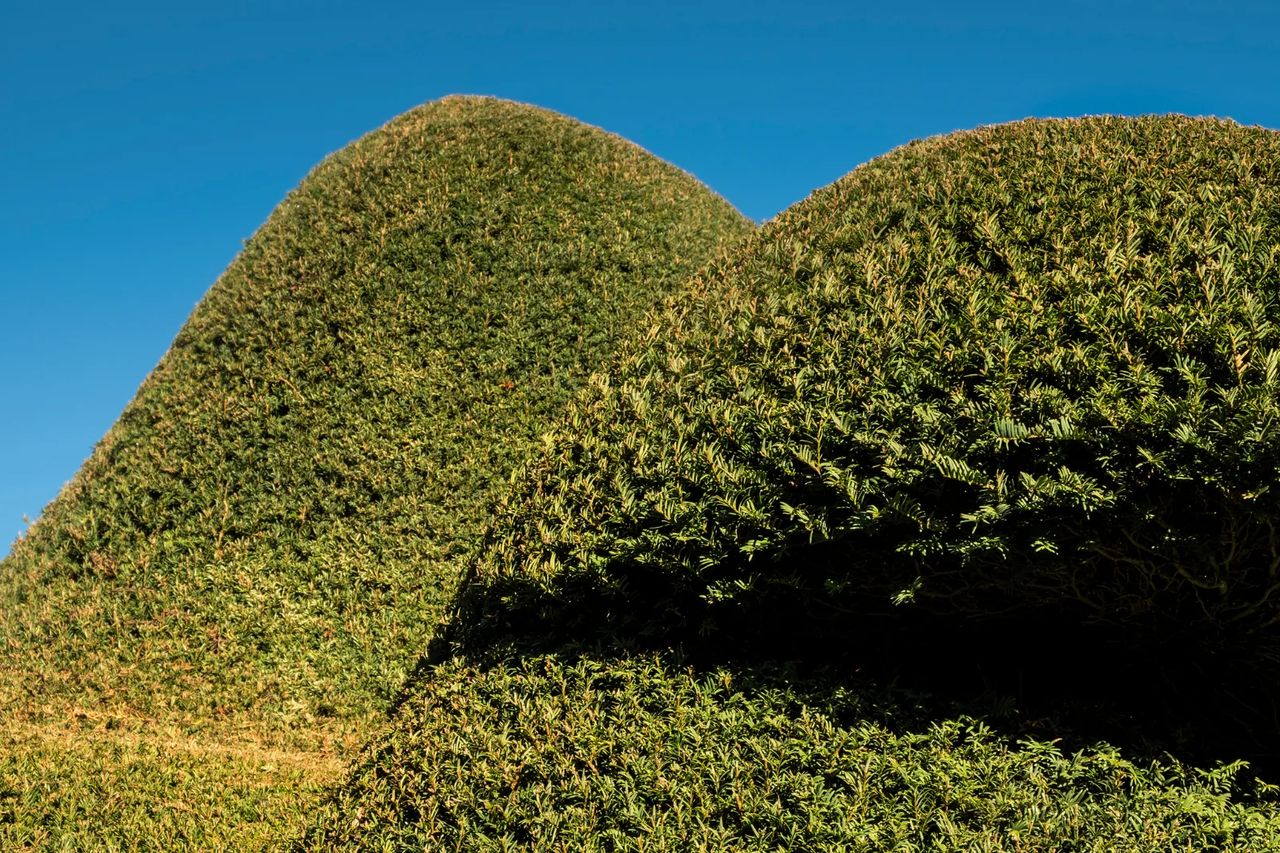
- Evergreens (e.g., yew, boxwood): Trim lightly multiple times a year to maintain shape without causing undue stress. Avoid cutting into old wood, as some evergreens don’t regrow from bare stems.
- Deciduous Hedges (e.g., beech, hornbeam): Prune during dormancy in late winter or early spring. This ensures vigorous growth and a uniform appearance during the growing season.
- Flowering Hedges (e.g., forsythia, hydrangea): Wait until after flowering to trim. Pruning too early may remove buds, impacting the next season’s bloom.
3. Trim at the Right Time
Timing is critical for healthy hedge maintenance:
- Spring: Early spring trimming helps shape hedges before the growing season begins. It’s especially effective for deciduous hedges.
- Summer: Light trimming during summer keeps fast-growing hedges tidy. This is an ideal time to address stray shoots.
- Autumn: Perform a final trim in early autumn to prepare hedges for winter. Avoid heavy pruning late in the season, as new growth may not harden before frost.
- Avoid Frosty Weather: Trimming during frosty conditions can damage branches, leaving hedges vulnerable to disease and slow recovery.
4. Master the Technique
Proper technique ensures clean cuts and a professional finish:
- Start from the Bottom: Begin trimming at the base and work your way up. This ensures you maintain a stable stance and helps avoid creating uneven sections.
- Taper the Sides: Shape hedges so the base is wider than the top. This design allows sunlight to reach lower branches, preventing thinning at the base.
- Cut in Small Sections: Work methodically, focusing on one small area at a time to avoid overcutting or losing symmetry.
- Use String Lines: For straight-edged hedges, set up string lines at the desired height as a guide to ensure a precise and uniform trim.
5. Clean Up After Trimming
Tidying up post-trim is essential for hedge health and garden aesthetics:
- Remove Debris: Clear fallen clippings from the hedge base and surrounding areas to prevent smothering grass or soil. Debris can also attract pests or fungi if left unattended.
- Inspect for Damage: Look for any torn branches or uneven cuts and smooth them out to reduce stress on the plant.
- Compost Clippings: Hedge trimmings make excellent compost material. If the clippings are free of disease, add them to your compost heap or use them as mulch.
6. Maintain Your Tools
Well-maintained tools ensure effective and safe trimming:
- Sharpen Blades Regularly: Dull blades tear branches rather than cutting them cleanly, leaving the plant more susceptible to infection.
- Clean After Use: Wipe down tools to remove sap and debris. Use a disinfectant to prevent spreading diseases between plants.
- Store Safely: Keep tools in a dry, protected place to prevent rust and ensure they’re in optimal condition for the next use.
Let Willow Alexander Gardeners Help
Hedge trimming can be a time-consuming and intricate task. At Willow Alexander Gardeners, our experienced team is equipped to maintain your hedges with precision and care. From shaping to seasonal pruning, we’ll ensure your hedges remain healthy and beautifully manicured.
Book a consultation today and let us elevate your garden’s appeal with expertly maintained hedges.
A well-trimmed hedge is more than just a garden feature; it’s a testament to the care and attention you invest in your outdoor space. Follow these best practices to keep your hedges looking their best all year round.