Effective Organic Pest Control Methods for Your Garden
Garden pests can quickly become a nuisance, threatening the health and vitality of your plants. However, reaching for chemical pesticides isn’t the only solution. Organic pest control methods offer effective, eco-friendly ways to manage pests while maintaining a healthy garden ecosystem. In this guide, we’ll explore natural pest control techniques to help protect your plants.
Why Choose Organic Pest Control?
Opting for organic pest control has several benefits:
- Environmentally Friendly: Reduces chemical runoff that can harm nearby wildlife and waterways, preserving the surrounding ecosystem.
- Safe for Beneficial Insects: Protects pollinators like bees and ladybirds, which play a critical role in fertilising plants and controlling harmful pests.
- Healthier Produce: Ensures fruits and vegetables remain free from synthetic pesticide residues, making them safer for consumption.
- Sustainable Gardening: Promotes a balanced ecosystem, encouraging natural predators to keep pests under control and reducing reliance on repeated interventions.
1. Attract Beneficial Insects
Nature provides its own pest control in the form of predatory insects. Here’s how to encourage them:
- Plant Nectar-Rich Flowers: Grow plants such as marigolds, yarrow, and dill to attract beneficial insects like ladybirds, lacewings, and hoverflies. These insects feed on common pests like aphids and whiteflies.
- Provide Habitat: Create insect-friendly shelters by incorporating log piles, stone borders, or hedgerows. Beneficial insects need safe places to breed and overwinter.
- Avoid Broad-Spectrum Pesticides: Refrain from using general-purpose sprays that kill both pests and helpful insects. Instead, let natural predators manage pest populations over time.
2. Handpicking and Physical Barriers
Simple manual and physical methods can be highly effective for small-scale pest problems:
- Handpick Pests: Regularly inspect plants for pests such as caterpillars, beetles, or slugs. Use gloves to manually remove them and relocate pests far from the garden.
- Use Row Covers: Lightweight fabrics act as a barrier, preventing flying insects like cabbage moths or carrot flies from reaching vulnerable crops while allowing sunlight and water to penetrate.
- Install Copper Tape: Place copper tape around the edges of pots or raised beds to deter slugs and snails. The tape creates a mild electrical charge that these pests avoid.
3. Companion Planting
Strategic planting can naturally repel pests or attract predators:
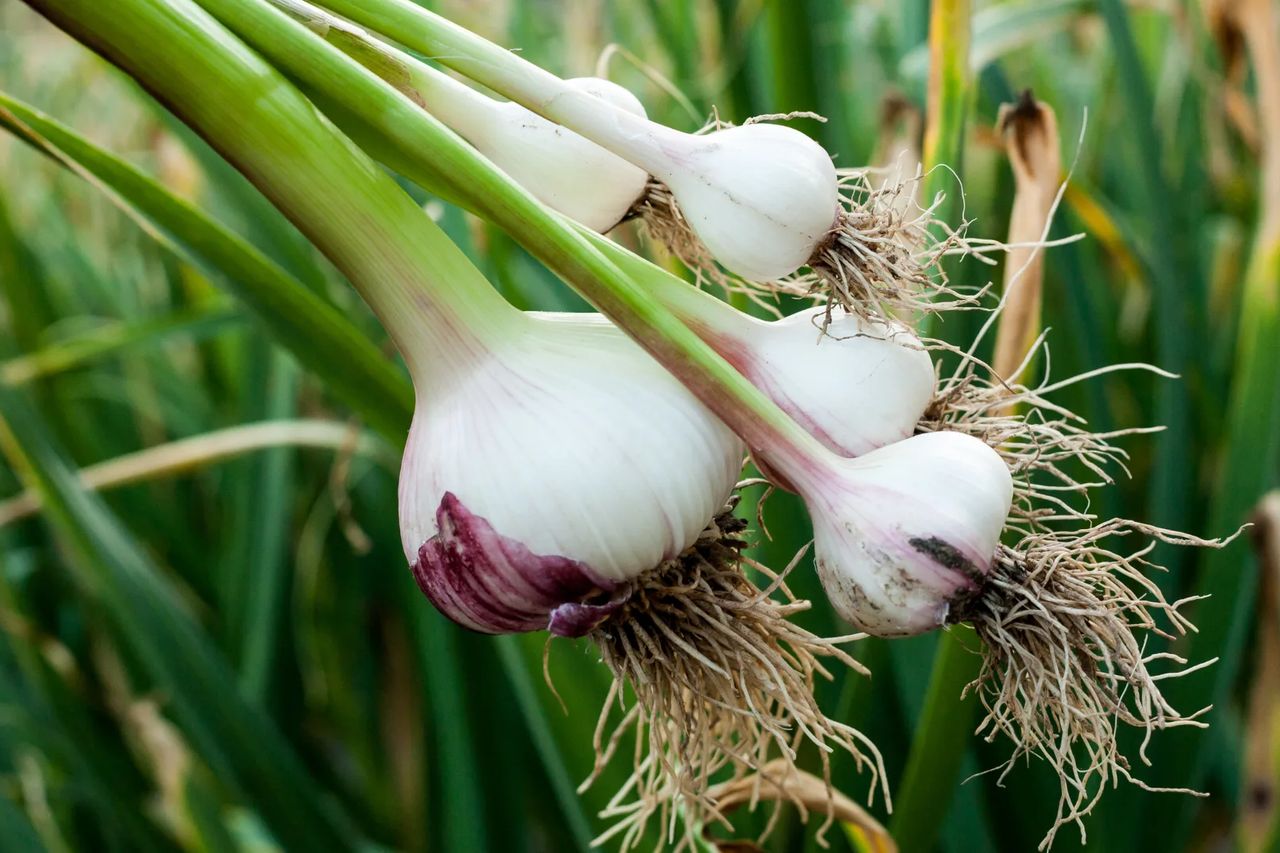
- Repellent Plants: Include plants with strong scents, like basil near tomatoes, to deter aphids and whiteflies. Similarly, grow garlic or chives to repel pests like carrot flies.
- Trap Crops: Plant sacrificial crops, such as nasturtiums or mustard greens, which attract pests away from your primary plants. Regularly monitor and remove pests from these trap crops.
- Diverse Planting: Intermingle different species to confuse pests that rely on monoculture environments. A diverse planting scheme also supports beneficial insects and reduces pest outbreaks.
4. Natural Sprays and Remedies
Create homemade sprays to target pests directly:
- Neem Oil Spray: Mix 2 tablespoons of neem oil with 1 litre of water and a few drops of liquid soap. Spray on affected plants to disrupt pests’ growth and reproduction cycles.
- Soap Spray: Combine 1 tablespoon of biodegradable soap with 1 litre of water. Spray this solution on soft-bodied insects like aphids, ensuring you cover the underside of leaves.
- Garlic Spray: Blend 2-3 garlic cloves with 1 litre of water. Let it steep overnight, strain, and spray to deter pests such as beetles, caterpillars, and mosquitoes.
5. Introduce Biological Controls
Biological pest control uses natural predators or pathogens to manage pest populations:
- Nematodes: These microscopic worms target soil-dwelling pests like grubs, root weevils, and fungus gnats. Apply nematodes to moist soil following package instructions for best results.
- Parasitic Wasps: These wasps lay eggs inside pest insects like aphids or whiteflies. As the larvae develop, they kill the host pest, keeping populations under control.
- Predatory Mites: Ideal for greenhouse settings, predatory mites feed on spider mites and thrips. Release them early in the growing season for proactive pest management.
6. Maintain a Healthy Garden
Healthy plants are naturally more resistant to pests. Follow these tips to strengthen your garden’s resilience:
- Rotate Crops: Prevent pests from establishing themselves by changing the location of key crops each year. This disrupts pest life cycles and reduces infestations.
- Enrich Soil: Add compost or organic matter to improve soil structure, drainage, and fertility. Healthy soil supports strong plants that can better resist pests.
- Remove Debris: Regularly clear away fallen leaves, dead plants, and other debris where pests like slugs, snails, or overwintering insects may hide.
Let Willow Alexander Gardeners Help
Implementing organic pest control requires knowledge and attention to detail. At Willow Alexander Gardeners, we specialise in eco-friendly gardening practices that protect your plants while preserving the environment. For ongoing support in maintaining a pest-free and thriving garden, explore our garden maintenance services. Learn more about our commitment to sustainable practices by visiting our about us page.
Book a consultation today and take the first step towards a healthier, more sustainable garden.
Organic pest control is about working with nature, not against it. By following these methods, you can manage pests effectively while maintaining a thriving, balanced garden ecosystem.