A Sustainable and Sophisticated Garden Solution
For those seeking an elegant yet eco-conscious approach to garden design, dead hedging presents a refined, multi-functional solution that seamlessly integrates sustainability with natural beauty. In an era where responsible land stewardship is becoming ever more essential, this traditional technique provides a thoughtful way to repurpose garden waste while enriching the landscape. By transforming pruned branches and clippings into a structured, organic boundary, dead hedging offers both aesthetic and ecological advantages, making it an increasingly popular choice for those who value a garden that is as mindful as it is beautiful.
What is Dead Hedging?
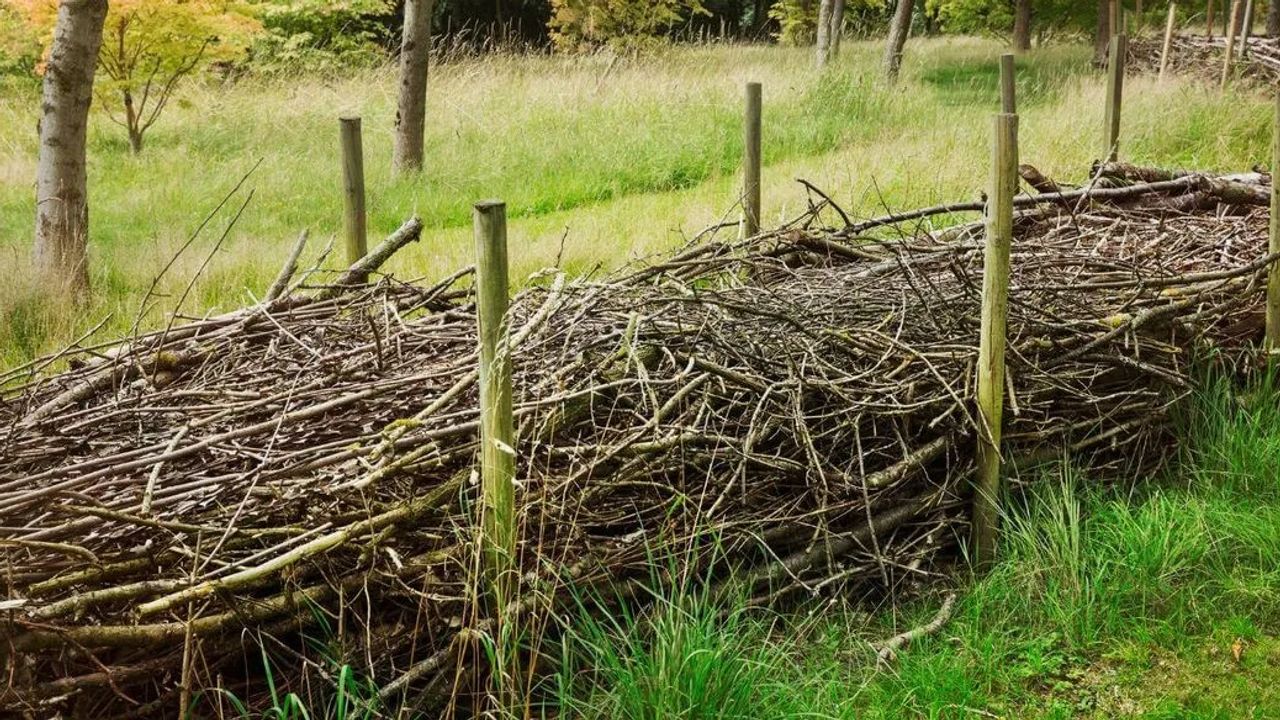
Blending rustic charm with practical functionality, dead hedging is more than just an alternative to traditional fencing—it is an environmentally sound design feature that nurtures biodiversity, enhances privacy, and contributes to a closed-loop garden system. Unlike mass-produced barriers or high-maintenance living hedges, a dead hedge requires no chemical treatments, irrigation, or intensive pruning, making it a truly low-impact solution. Its natural form softens the landscape while providing shelter for birds, insects, and small mammals, reinforcing the delicate balance between cultivated and wild spaces. With its ability to evolve gracefully over time, dead hedging exemplifies the principles of sustainable luxury, where nature and design exist in perfect harmony.
The Benefits of Dead Hedging
- Sustainable Waste Management – Rather than sending garden cuttings to landfill, dead hedging enables you to repurpose natural materials on-site, aligning with zero-emission gardening principles.
- Biodiversity Boost – By providing shelter for birds, insects, and small mammals, dead hedges actively support local ecosystems, enhancing the natural balance of your garden.
- A Natural Privacy Barrier – With its organic structure, a dead hedge offers both beauty and seclusion, acting as a charming alternative to traditional or composite fencing.
- Low Maintenance – Unlike living hedges that require pruning and care, a dead hedge simply evolves over time, requiring little effort to maintain.
How to Create a Dead Hedge
- Choose the Right Location – Identify areas where a natural boundary would enhance privacy, define zones, or support local wildlife.
- Set Up the Framework – Install sturdy wooden posts at regular intervals to provide structural support.
- Layer the Cuttings – Weave pruned branches and twigs between the posts, layering materials to create a dense and visually appealing barrier.
- Maintain Over Time – Continue adding fresh clippings periodically, ensuring the hedge remains structured while naturally managing your garden waste.
A Thoughtful Approach to Garden Design
At Willow Alexander Gardeners, we embrace sustainable practices that enrich the natural environment while complementing refined outdoor spaces. Dead hedging embodies these values—offering a waste-free, emissions-free way to introduce structure, biodiversity, and timeless charm into your garden.
More than just a practical feature, dead hedging is a statement of ecological responsibility and considered design. For those who appreciate the harmony between nature and elegance, this approach offers a simple yet striking addition to any garden.