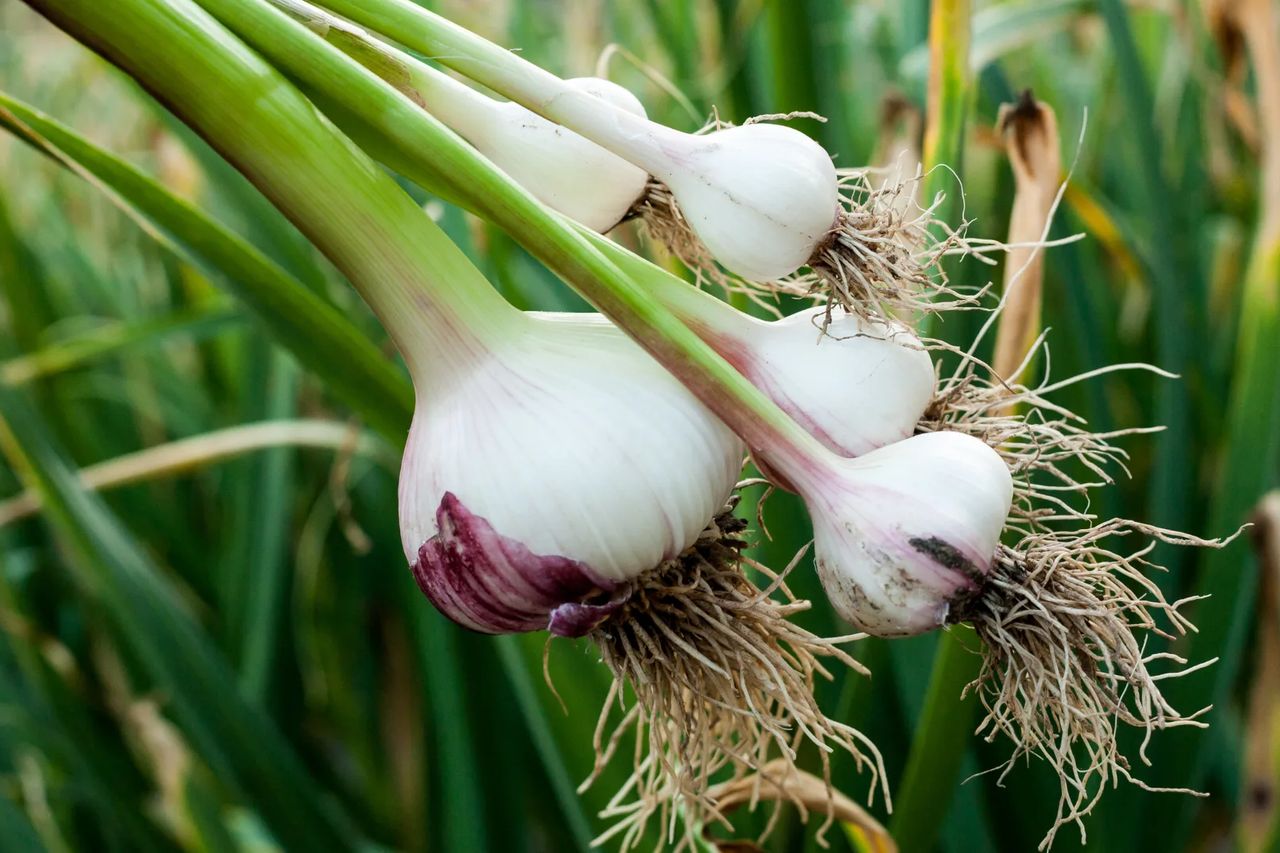
As the days lengthen and temperatures rise, the arrival of spring marks a time of renewal—not only in nature but also in our gardens. After months of dormancy, gardens can appear tired and overgrown, with debris, fallen leaves, and winter damage detracting from their beauty. A thorough spring garden clean is essential to prepare outdoor spaces for the flourishing months ahead.
Just as homeowners engage in an annual spring clean indoors, gardens require the same level of care and attention. Clearing away accumulated debris, refreshing the soil, and pruning overgrown plants ensures a healthier, more vibrant landscape. A well-maintained garden not only enhances kerb appeal but also promotes plant vitality and prevents potential pest infestations.
Whether you prefer to undertake the task yourself or enlist the expertise of professional gardeners, a strategic approach to spring garden cleaning sets the foundation for a thriving outdoor space. In this article, we will explore the essential steps for a comprehensive garden clean, the benefits of hiring professionals, and sustainable practices to ensure your garden remains in peak condition throughout the year.
The Importance of a Spring Garden Clean
As winter recedes, gardens are often left in a state of disarray—littered with fallen leaves, broken branches, and compacted soil. Without intervention, these remnants of colder months can hinder plant growth, invite pests, and compromise the overall health of your garden. A dedicated spring clean is essential to restore order, promote vigorous plant development, and prepare outdoor spaces for the months ahead.
Revitalising Plant Health
The accumulation of organic debris over winter can suffocate plant roots, leading to poor drainage and the risk of disease. By clearing dead leaves, removing weeds, and aerating the soil, gardeners can improve air circulation, allowing plants to thrive. Pruning dead or damaged branches also stimulates new growth, ensuring shrubs and trees recover from the stress of winter.
Pest and Disease Prevention
Overgrown and neglected gardens create the perfect habitat for pests and fungi. Slugs, aphids, and other garden nuisances take advantage of damp, cluttered spaces, while fungal infections often spread in unkempt areas. A thorough clean-up reduces these risks by eliminating breeding grounds, promoting healthy airflow, and encouraging natural predators such as ladybirds and hedgehogs.
Enhancing Aesthetic Appeal
Beyond the practical benefits, a well-maintained garden significantly enhances the beauty and functionality of an outdoor space. Freshly mown lawns, neatly pruned plants, and weed-free flowerbeds create an inviting environment for relaxation, entertaining, and enjoying nature. Investing time in a comprehensive spring clean not only revitalises your garden but also extends its enjoyment throughout the warmer months.
Key Components of a Comprehensive Spring Garden Clean
A thorough spring garden clean requires more than just a quick tidy-up. It involves multiple essential tasks that prepare the garden for the growing season, ensuring plants, lawns, and soil are in peak condition. Below are the key components of an effective spring clean.
1. Debris Removal and Disposal
Winter leaves behind fallen leaves, broken branches, and plant matter that can smother new growth and harbour pests. The first step in any spring clean is to rake up debris, remove dead foliage, and clear out any clutter from garden beds, paths, and patios. Proper disposal, whether through composting or council collection, ensures a sustainable approach to waste management.
2. Soil Preparation and Fertilisation
Over time, soil can become compacted, reducing its ability to retain water and nutrients. Loosening the soil with a fork or aerator improves drainage and root penetration. Adding organic matter, such as compost or well-rotted manure, replenishes nutrients, creating a fertile foundation for plants. This is also an excellent time to apply a slow-release fertiliser to encourage strong, healthy growth.
3. Pruning and Trimming
Early spring is the ideal time to prune shrubs, trees, and perennials that may have suffered winter damage. Removing dead or diseased branches promotes fresh growth and prevents fungal infections. Hedges and topiary also benefit from a light trim to maintain their shape and density. For flowering plants, cutting back old stems encourages new blooms to emerge.
4. Lawn Care and Maintenance
Lawns often suffer from winter compaction, moss growth, and patchiness. A good spring clean includes scarifying (removing moss and thatch), aerating (spiking the soil to improve drainage), and overseeding thin areas. Applying an organic lawn feed strengthens grass roots and enhances colour, while the season’s first mow should be done with a high blade setting to avoid stressing the turf.
5. Mulching Benefits
Applying a fresh layer of mulch to garden beds helps retain moisture, suppress weeds, and regulate soil temperature. Organic mulches, such as bark chips, compost, or leaf mould, not only improve soil quality but also enhance the appearance of flowerbeds.
By focusing on these core elements, homeowners can rejuvenate their gardens and lay the groundwork for a flourishing spring and summer.
Benefits of Hiring Professional Garden Cleaning Services
While a spring garden clean can be a rewarding task, it is also labour-intensive and time-consuming. Many homeowners choose to enlist professional gardening services to ensure their outdoor spaces receive expert care. Here are the key benefits of hiring a professional team.
1. Expertise and Knowledge
Professional gardeners possess the expertise to assess the specific needs of your garden, identifying issues such as soil deficiencies, pest infestations, or plant diseases that may not be immediately obvious. Their knowledge of plant care, pruning techniques, and seasonal maintenance ensures that every aspect of the garden is attended to correctly.
2. Time and Effort Savings
Garden cleaning is not just about raking leaves—it requires heavy lifting, precise pruning, and soil preparation, all of which can be physically demanding. A professional service saves homeowners valuable time and effort, allowing them to enjoy the benefits of a beautifully maintained garden without the hard work.
3. Access to Specialist Equipment
From high-powered lawn aerators to professional-grade hedge trimmers, gardening experts have access to specialised tools that make the job more efficient and effective. This ensures that tasks such as scarifying the lawn, mulching, and precise pruning are carried out to the highest standard.
4. Comprehensive and Sustainable Approach
A reputable gardening service does more than just tidy up—it takes a holistic approach, considering long-term garden health and sustainability. Many professionals use eco-friendly methods, such as organic fertilisers and responsible waste disposal, to maintain a garden’s ecological balance.
By investing in professional garden cleaning services, homeowners can ensure their outdoor spaces are not only visually appealing but also healthy and thriving throughout the year.
Choosing the Right Garden Cleaning Service
Selecting the right gardening professionals is essential to ensure that your outdoor space receives the care and attention it deserves. With many providers offering spring garden cleaning services, knowing what to look for can help you make an informed decision.
1. Researching Local Providers
Start by researching reputable gardening services in your area. Look for companies that specialise in garden maintenance and seasonal cleaning, as they will have the experience required for a thorough spring refresh. A local provider will also be familiar with regional soil conditions, plant varieties, and climate considerations.
2. Evaluating Credentials and Experience
A reliable gardening company should have experienced, trained professionals who understand the best horticultural practices. Accreditations such as CHAS (Contractors Health and Safety Assessment Scheme) or membership in professional bodies like the Guild of Master Craftsmen can indicate a company’s commitment to high standards.
3. Reading Reviews and Testimonials
Customer feedback is invaluable when assessing a service provider. Look for testimonials on their website, Google reviews, or independent platforms to gauge customer satisfaction. Positive feedback about reliability, attention to detail, and professionalism can indicate a trustworthy business.
By choosing a qualified, well-reviewed gardening service, homeowners can ensure their garden receives the best possible care, setting the stage for a flourishing spring and summer.
DIY Spring Garden Cleaning Tips
For those who prefer a hands-on approach, tackling a spring garden clean yourself can be a rewarding experience. With the right tools, knowledge, and techniques, you can revitalise your garden and prepare it for the growing season. Here are some essential DIY tips to ensure a successful spring clean.
1. Essential Tools and Supplies
Before getting started, gather the necessary equipment:
- Rake and leaf blower – for clearing leaves and debris
- Secateurs and loppers – for pruning shrubs and small branches
- Lawn mower and aerator – for grass care and soil aeration
- Weeding tools – for removing unwanted plants from beds and borders
- Compost bin or garden waste bags – for sustainable disposal of organic matter
2. Safety Precautions
Spring cleaning a garden involves physical labour and the use of sharp tools, so it’s important to take safety measures:
- Wear sturdy gloves to protect hands from thorns and splinters
- Use safety goggles when using power tools or trimming overhead branches
- Stretch before and after to avoid strain from repetitive movements
3. Step-by-Step Cleaning Guide
- Clear out debris – Start by removing fallen leaves, dead plants, and branches from lawns, beds, and pathways.
- Weed thoroughly – Pull out weeds at the root to prevent regrowth. Consider applying an organic mulch to suppress future weeds.
- Prune and trim – Cut back overgrown shrubs and remove dead wood to encourage healthy new growth.
- Aerate and feed the lawn – Spike compacted soil to improve drainage and apply a spring lawn feed for lush green grass.
- Refresh soil and mulch – Turn over flowerbeds, add compost, and spread a layer of mulch to retain moisture.
By following these DIY tips, homeowners can effectively rejuvenate their gardens, setting the stage for a vibrant and thriving outdoor space throughout spring and summer.
Sustainable and Eco-Friendly Cleaning Practices
A well-maintained garden should not come at the cost of the environment. Adopting sustainable gardening practices ensures that your outdoor space flourishes while minimising ecological impact. Here are some key ways to make your spring garden clean more eco-friendly.
1. Organic Waste Recycling
Instead of sending garden waste to landfill, consider composting. Leaves, grass clippings, and small branches decompose naturally, creating nutrient-rich compost that can be reused in flower beds and vegetable patches. Larger branches and woody debris can be chipped and used as mulch. Many local councils also offer green waste collection services for responsible disposal.
2. Choosing Eco-Friendly Garden Products
Many traditional gardening products contain chemicals that can harm local wildlife and disrupt soil health. Opt for:
- Organic fertilisers and compost that enrich the soil naturally
- Natural pest control solutions such as companion planting or neem oil sprays
- Peat-free compost, which helps protect vital peatland ecosystems
3. Water Conservation Techniques
Reducing water waste is key to sustainable gardening. Implement the following practices:
- Install a water butt to collect rainwater for watering plants
- Use mulch to retain soil moisture and reduce evaporation
- Water early in the morning or late in the evening to prevent excessive water loss
By integrating these sustainable approaches, gardeners can create a thriving outdoor space that supports biodiversity, conserves resources, and remains environmentally responsible. Small changes in routine can make a significant difference in reducing your garden’s ecological footprint.
Seasonal Planting and Landscaping Ideas
Spring presents the perfect opportunity to refresh your garden’s planting scheme and enhance its structure. Thoughtful selection of seasonal plants and strategic landscaping ensures a garden that remains vibrant and inviting throughout the year.
1. Best Plants for a Spring Garden
Introducing a mix of early-flowering plants brings instant colour and life to your outdoor space. Consider:
- Spring bulbs – Daffodils, tulips, and hyacinths provide a cheerful burst of colour.
- Perennials – Hellebores, primroses, and pulmonaria bloom early and return each year.
- Blossom trees – Cherry and magnolia trees add stunning seasonal interest.
2. Benefits of Incorporating Native Species
Native plants are naturally suited to local soil and climate conditions, making them low-maintenance and beneficial for pollinators. Wildflowers such as cowslips and bluebells attract bees and butterflies, supporting biodiversity while adding a charming, natural aesthetic.
3. Planning for Year-Round Appeal
To maintain interest beyond spring, consider layering plants with different bloom times and evergreen shrubs for structure. Key strategies include:
- Planting late-spring and summer perennials such as peonies and irises.
- Using architectural plants like ornamental grasses for movement and texture.
- Adding climbers and shrubs to create vertical interest and privacy.
A well-planned garden transitions seamlessly through the seasons, providing continuous beauty and enjoyment. By selecting the right plants and incorporating thoughtful landscaping, homeowners can create a dynamic outdoor space that thrives throughout the year.
Maintaining Your Garden Post-Cleaning
A successful spring garden clean sets the stage for a thriving outdoor space, but regular upkeep is essential to sustain its health and appearance throughout the season. By incorporating a few simple maintenance routines, homeowners can keep their gardens looking their best with minimal effort.
1. Establishing a Regular Upkeep Routine
- Weeding weekly prevents invasive plants from competing with flowers and shrubs. Hand-pulling or using an organic mulch suppresses weed growth naturally.
- Deadheading spent flowers encourages prolonged blooming in plants like roses, dahlias, and geraniums.
- Monitoring moisture levels ensures plants receive adequate hydration. Watering deeply once or twice a week is preferable to frequent shallow watering.
2. Monitoring Plant Health
Regularly inspect plants for signs of pests or disease. Look for discoloured leaves, holes in foliage, or unusual growths. If problems arise, opt for organic treatments such as neem oil or introduce beneficial insects like ladybirds to control aphids naturally.
3. Preparing for Seasonal Changes
As spring transitions into summer, adjust maintenance practices accordingly. Mow the lawn regularly, apply a slow-release fertiliser, and ensure climbing plants like clematis and wisteria are properly supported.
With a consistent maintenance plan, gardens remain lush and vibrant long after the initial spring clean, providing enjoyment throughout the warmer months.
Spring Garden Cleaning Summary
A well-executed spring garden clean is the foundation for a vibrant, healthy outdoor space that flourishes throughout the year. By clearing away winter debris, refreshing the soil, pruning overgrown plants, and preparing lawns, homeowners can create an environment that thrives with minimal intervention. Whether tackling the task independently or enlisting professional help, a structured approach ensures long-term success.
For those seeking expert care, professional garden cleaning services provide efficiency, knowledge, and access to specialist equipment, ensuring the best possible results. Sustainable gardening practices, such as composting, water conservation, and the use of organic products, further enhance a garden’s health while supporting local biodiversity.
Maintaining a beautiful garden beyond the initial clean requires regular upkeep, from weeding and deadheading to lawn care and pest management. With consistent attention, an outdoor space remains inviting and enjoyable as the seasons progress.
If you want to ensure your garden is in peak condition this spring, Willow Alexander Gardeners offers expert garden cleaning and maintenance services tailored to your needs. Our trained professionals can help you restore and enhance your garden, allowing you to enjoy the benefits of a well-maintained outdoor space without the effort. Get in touch today to book your spring garden clean.