Fallen leaves create one of autumn’s most persistent dilemmas. The instinct to let them lie—allowing nature to take its course—appeals to a certain logic. Yet what works on a woodland floor doesn’t translate well to managed lawns. The concentrated coverage, the matted layers after rain, the sheer volume in gardens surrounded by mature trees—all of this creates conditions quite unlike anything natural. Understanding what happens beneath that autumn carpet explains why leaf collection matters far more than appearances suggest.
What Leaves Do to Grass
Within days of settling, leaves begin forming a seal across the lawn surface. Rain compacts them into dense mats that block light and trap moisture underneath. What looks from above like a scattered covering is, at grass level, an impermeable barrier.
Grass needs some light even through winter. Extended darkness weakens the plants progressively, leaving them vulnerable and making spring recovery considerably harder. More concerning is what happens to the grass crown—the growing point of each plant—when it sits for weeks beneath wet, matted leaves. Without air circulation, these crowns become waterlogged and start to rot.
We’ve seen this damage reveal itself in spring: patches where grass simply didn’t survive winter, not because of frost or cold, but because it spent months suffocating under decomposing leaves. These bare areas become immediate sites for moss and weed colonisation, requiring extensive work to restore.
The Disease Connection
Certain fungal diseases thrive in exactly the conditions that matted leaves create—cool, damp, and starved of oxygen. Snow mould appears as bleached or pinkish patches on lawns that spent winter beneath leaf coverage. The disease itself doesn’t appear until spring, but infection happens through winter.
Beyond disease, there’s the matter of what lives in decomposing leaves. Leather jackets—crane fly larvae that are genuinely destructive to lawns—overwinter comfortably in leaf litter before emerging in spring to feed on grass roots.
This isn’t an argument for sterile gardens. Wildlife needs overwintering habitat. But lawns aren’t the right location. Dedicated leaf piles in borders or quiet corners serve wildlife without compromising the lawn’s health.
Timing Makes the Difference
The question isn’t whether leaf collection is necessary but when and how often. Waiting until all trees have shed seems efficient but often proves counterproductive. By late November, the earliest fallen leaves have already been matted down by weeks of rain.
Regular leaf collection—weekly during peak leaf fall—prevents the accumulation that creates problems. This approach is also considerably less work. Fresh, dry leaves are light and gather easily. Sodden leaves from weeks prior are heavy and often already harming the grass they’ve covered.
Different trees present different challenges:
- Oak, sycamore, plane produce large leaves that create thick, persistent mats
- Horse chestnut leaves are particularly effective at blocking light
- Birch and hawthorn leaves are smaller, though still require collection
- Evergreen leaves like holly barely decompose at all
Understanding your garden’s specific leaf-fall pattern allows you to plan leaf collection accordingly rather than reacting to accumulated problems.
What Happens to Collected Leaves
The question of what to do with gathered leaves matters almost as much as collecting them. The ideal destination is leaf mould—essentially composted leaves that become excellent soil conditioner after 12-18 months. This requires dedicated space and patience, though.
For many gardens, particularly urban ones with limited space but high leaf volume, professional leaf collection becomes the practical solution. The leaves can be processed at scale and eventually returned as compost.
The Professional Approach
Regular professional leaf collection offers advantages beyond convenience. The timing matters critically—leaves need gathering before they mat but when enough have fallen to make collection worthwhile. Judging this balance takes attention that’s difficult to maintain whilst managing everything else autumn demands.
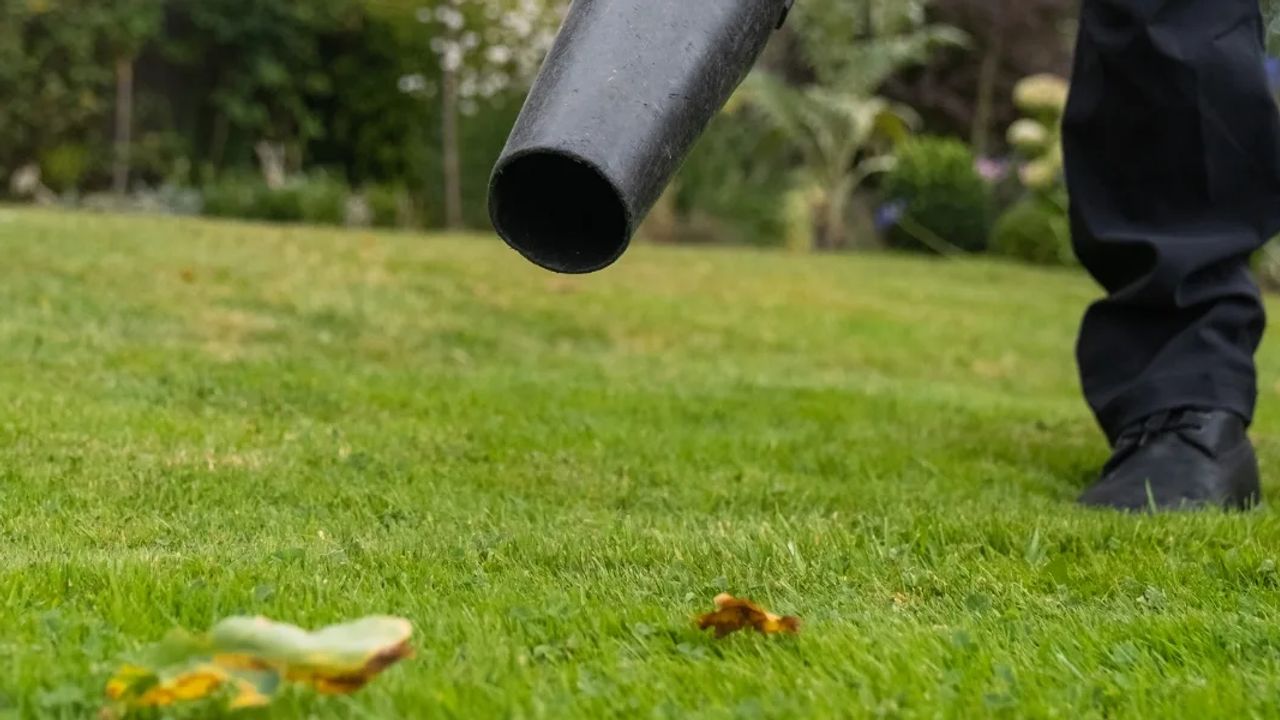
The equipment makes a difference too. Proper tools gather leaves more thoroughly, preventing the scattered remnants that inevitably remain after raking. This completeness matters because even thin scatterings contribute to surface problems over time.
Perhaps most valuably, when leaf collection happens as part of regular visits, it happens consistently regardless of weather, schedules, or competing priorities.
The Spring Revelation
The true measure of autumn leaf collection appears in March and April. Lawns kept clear through autumn green up earlier, more uniformly, and with notably less moss infiltration. The grass plants, having maintained healthier crowns through winter, respond vigorously to spring warmth.
Lawns that spent winter beneath leaves often emerge patchy and yellowed. Recovery is possible but requires work—scarification to remove dead material, often overseeding, certainly more intensive spring care.
The investment in regular leaf collection isn’t really about autumn. It’s about the lawn you want in April, about making spring easier rather than harder, about preventing problems rather than repairing them. A healthy spring lawn almost always traces back to consistent autumn attention—quiet, regular work that happens largely unseen until its absence reveals itself months later.